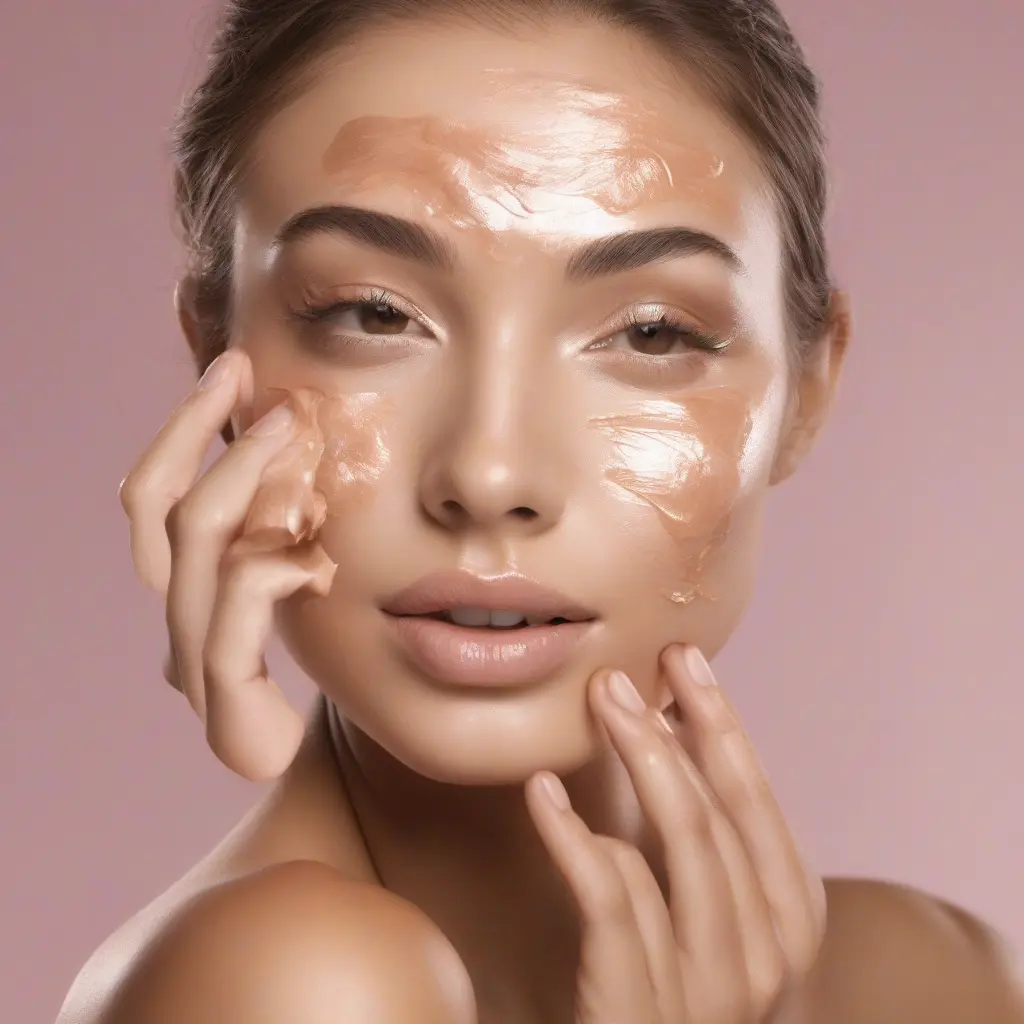
Combination skin is a unique skin type characterized by both oily and dry areas, often resulting in various skincare challenges. Many individuals with combination skin struggle to find the right balance in their routines, leading to confusion when choosing products. Understanding the distinct needs of combination skin is essential for effective management. This guide will delve into the intricacies of this skin type, providing tips on identifying combination skin, suggested products, and tailored skincare routines. By addressing these factors, you can achieve a healthier and more balanced complexion.
What is Combination Skin?
Combination skin features characteristics of both oily and dry skin types, often resulting in an uneven complexion. Typically, the T-zone, which includes the forehead, nose, and chin, tends to produce excess oil, while other areas, such as the cheeks, may feel dry or flaky. This duality can make it challenging to find appropriate products, as solutions that target oiliness might exacerbate dryness and vice versa. Understanding how combination skin interacts with various environmental factors can also help in managing its unique balance.
Identifying Your Combination Skin
Identifying combination skin involves observing how different areas of your face behave under various conditions. Begin by cleansing your face and noticing how different zones react throughout the day. If the T-zone becomes shiny while the cheeks remain dry or tight, you likely have combination skin. Seasonal changes can also affect your skin; for instance, drier months may exacerbate flakiness, while humid conditions might increase oiliness. Regular skin assessments can help you tailor your skincare routine more effectively.
Common Causes of Combination Skin
Several factors contribute to combination skin, including genetics, hormonal changes, and environmental influences. Genetic predisposition often determines how your skin produces oil or retains moisture. Hormonal fluctuations, such as those experienced during puberty, menstruation, or pregnancy, can lead to increased oil production, particularly in the T-zone. Additionally, external factors like pollution, climate, and stress may affect the skin’s balance. Understanding these causes can guide you in choosing treatments and products that effectively address the dual needs of combination skin.
Daily Skincare Routine for Combination Skin
A daily skincare routine for combination skin should aim to balance oiliness in the T-zone while providing hydration to dry areas. Begin with a gentle cleanser that effectively removes impurities without stripping moisture. Follow up with a lightweight, oil-free moisturizer for the T-zone and a richer cream for dry patches. Incorporating a toner can also help; opt for alcohol-free formulations that hydrate and balance the skin. Lastly, regular exfoliation with a mild exfoliant helps remove dead skin cells and promotes a healthy complexion.
Choosing the Right Cleansers
Choosing the right cleanser is crucial for maintaining balance in combination skin. Look for gel-based or foaming cleansers that can effectively remove excess oil without over-drying the skin. Avoid cleansers with harsh sulfates or alcohol, as these can irritate dry areas and worsen imbalances. Cleansers infused with natural ingredients like aloe vera or tea tree oil can offer gentle yet effective cleaning. Personalizing your cleanser according to your skin’s needs will promote an even complexion and prepare your skin for moisturizing and treatment products.
Moisturizing Tips for Combination Skin
Moisturizing combination skin requires a careful balance of hydration and oil control. Use an oil-free, lightweight moisturizer for the T-zone to prevent clogging pores while hydrating. In contrast, consider a richer, nourishing cream for drier areas to combat flakiness without overwhelming oily zones. Look for moisturizers enriched with hyaluronic acid or glycerin, which can provide hydration without adding excessive oils. Understanding how your skin responds to different products is crucial in maintaining a smooth, balanced complexion.
Sun Protection Strategies
Sun protection is essential for all skin types, including combination skin. Choose a broad-spectrum sunscreen with SPF 30 or higher that won’t clog pores. Lightweight, non-comedogenic formulations are ideal, as they absorb quickly without leaving a greasy residue. Incorporating a sunscreen into your daily skincare routine helps prevent sun damage and premature aging. If you’re unsure about which sunscreen to use, consider mineral-based options that are often gentler on the skin and suitable for sensitive areas.
The Role of Exfoliation
Exfoliation plays a vital role in maintaining a healthy complexion for combination skin. Regularly exfoliating helps remove dead skin cells, preventing clogged pores and promoting a brighter appearance. Opt for gentle exfoliants, such as those containing alpha-hydroxy acids (AHAs) or beta-hydroxy acids (BHAs), which are effective yet non-irritating. Exfoliating once or twice a week can help balance oil production while treating dryness in specific areas. Tailoring your exfoliation routine to your skin’s needs can lead to improved texture and clarity.
Best Ingredients for Combination Skin
Incorporating the right ingredients into your skincare routine can greatly benefit combination skin. Look for products containing salicylic acid to help control oil in the T-zone, while using hyaluronic acid to hydrate dry areas. Niacinamide is another powerful ingredient; it balances oil production and soothes skin, making it ideal for combination skin types. Additionally, vitamin C can brighten the complexion and protect against environmental damage. Understanding ingredient benefits helps you customize your regimen effectively.
Skincare Mistakes to Avoid
Avoiding common skincare mistakes is essential for managing combination skin effectively. One major mistake is using harsh products that target oiliness but exacerbate dryness elsewhere. Over-exfoliating can also lead to irritation and an imbalance in skin texture. Additionally, neglecting to moisturize the dry areas may worsen flakiness, while applying heavy products can clog pores in the T-zone. Pay attention to your skin’s changing needs and adjust your routine as necessary to maintain overall skin health.
Professional Treatments for Combination Skin
For those seeking additional help with combination skin, professional treatments can provide targeted solutions. Services such as chemical peels or microdermabrasion can enhance skin texture and address specific concerns. Facial treatments focusing on hydration and oil control can also benefit combination skin by providing professional-grade ingredients. Consulting with a dermatologist can help you determine the most suitable options based on your unique skin needs and goals.
Conclusion
In conclusion, understanding and effectively managing combination skin is crucial for achieving a balanced and healthy complexion. By applying tailored skincare routines, choosing appropriate products, and avoiding common pitfalls, individuals can enhance their skin health. Remember to stay attentive to how your skin reacts over time, and adjust your regimen accordingly. With proper care, combination skin can be beautiful and radiant.