Choosing the right daily skincare steps can be challenging, especially with the diverse range of ingredients available. Ingredient conflicts can lead to skin irritation, breakouts, or less effective products. This guide provides a clear framework for selecting skincare products while avoiding common ingredient inconsistencies. By understanding how different ingredients interact, you can create a balanced routine that supports your skin’s needs and enhances your overall skincare experience.
Understanding Ingredient Conflicts
Ingredient conflicts refer to the negative interactions between different skincare components that can diminish effectiveness or cause skin reactions. For example, combining products containing acids—like salicylic or glycolic—can lead to excessive dryness or irritation. Similarly, layering retinoids with certain antioxidants may cause irritation or decrease their efficacy. Understanding these conflicts is essential for optimizing your routine to ensure each product contributes positively to your skin health.
Identifying Your Skin Type
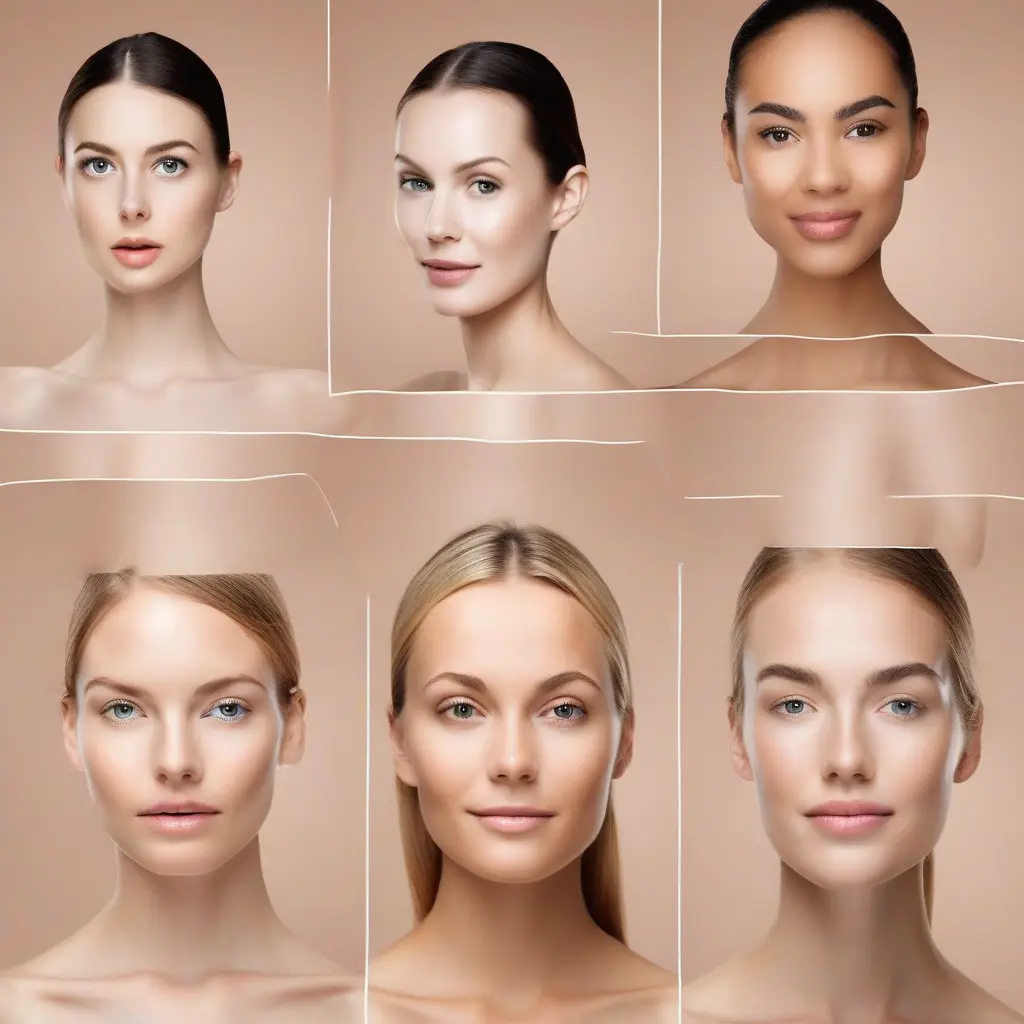
Knowing your skin type is fundamental to choosing effective skincare products. Skin types generally fall into categories such as oily, dry, combination, or sensitive. For oily skin, lightweight, oil-free gels can be beneficial, whereas dry skin may require richer, moisturizing creams. Furthermore, sensitive skin types should focus on soothing ingredients like aloe vera and chamomile. Identifying your skin type allows you to select ingredients that enhance your skin’s natural balance and resilience.
The Role of pH in Skincare
The pH level of skincare ingredients can significantly impact their effectiveness and compatibility with other products. Most skincare items work best at a pH level between 4.5 and 5.5, close to that of the skin’s natural barrier. Using products with highly acidic or alkaline pH levels can disrupt this balance. As a result, ensure that the products in your routine are formulated to match your skin’s pH level for optimal absorption and minimal irritation.
Layering Products Effectively
The way you layer your skincare products can influence their effectiveness. A general rule of thumb is to apply products from thinnest to thickest consistency. Start with toners or essences, followed by serums, and finish with moisturizers and sunscreens. This method allows active ingredients to be absorbed efficiently and reduces the risk of poor application that might interfere with the benefits of subsequent products. Proper layering can enhance overall skin health and appearance.
Choosing the Right Exfoliant
Exfoliation is a vital step in any skincare routine, but selecting the right type is essential to avoid ingredient conflicts. Chemical exfoliants like AHAs and BHAs work on a much deeper level than physical scrubs and are suitable for various skin types when used appropriately. However, over-exfoliating or combining different exfoliants can lead to irritation. Therefore, it is vital to choose one type of exfoliant and limit its use to ensure skin remains smooth without causing harm.
Understanding Active Ingredients
Understanding active ingredients is crucial for a successful skincare routine. Retinoids, vitamin C, and peptides are popular actives known for their anti-aging and skin-rejuvenating properties. However, these should be used thoughtfully, as some can be irritating when combined. For example, retinoids should generally not be used with products that contain vitamin C or benzoyl peroxide. Knowledge of these interactions helps tailor your regime to maximize benefits while minimizing the risk of adverse reactions.
Addressing Specific Skin Concerns
Skincare products often target specific concerns, such as acne, pigmentation, or wrinkles. Understanding your specific skin issues is necessary to make appropriate choices, as some ingredients may exacerbate problems or provide minimal results. For example, individuals with acne-prone skin might benefit from salicylic acid, while those dealing with hyperpigmentation may lean towards products with niacinamide or licorice extract. Identifying your core concerns allows for a targeted approach that can improve skin health effectively.
Avoiding Common Ingredient Conflicts
Certain ingredient combinations can lead to skin challenges rather than benefits. For instance, layering products that contain both vitamin C and retinol can cause irritation and reduce the efficacy of each ingredient. Another common conflict occurs with benzoyl peroxide and retinoids, which may deactivate the retinoid’s effects. Avoiding these common pitfalls allows for a more harmonious skincare routine, ensuring that each product works to enhance the health and appearance of your skin.
Testing New Products
When introducing new products into your skincare routine, conducting a patch test is highly advised. This involves applying a small amount of product on a discreet area of skin to observe for any adverse reactions. A patch test helps in determining the compatibility of a new ingredient with your skin type and minimizes the risk of widespread irritation. If no adverse reactions occur after 24 to 48 hours, you can comfortably incorporate the product into your skincare regimen.
Maintaining Consistency
Consistency is vital for effective skincare. Regular use of products aligned with your skin’s needs leads to visible improvements over time. While results may vary, it typically takes several weeks of consistent product application to see significant changes. Establishing a routine that includes cleansing, treating, moisturizing, and protecting allows your skin to achieve optimal health. Skipping steps or frequently changing products can hinder progress and may cause avoidable skin complications.
Conclusion
Navigating ingredient conflicts in your daily skincare routine requires understanding, patience, and a tailored approach. By identifying your skin type, recognizing effective products, avoiding harmful combinations, and maintaining a consistent regimen, you can enhance your skincare experience while minimizing potential issues. This careful consideration of ingredients will lead to healthier, more radiant skin over time.