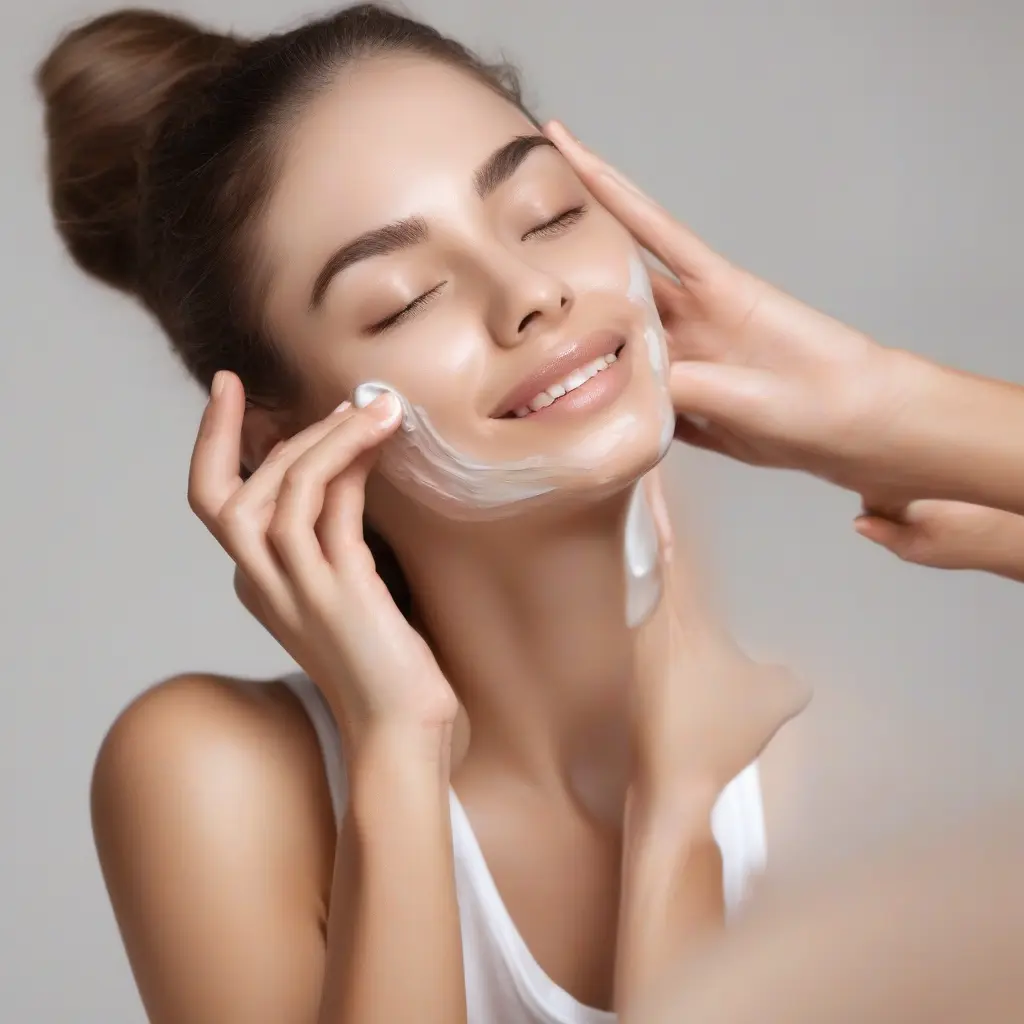
Understanding when to apply exfoliants in your skincare routine can significantly impact your skin’s health and appearance. Morning and night skincare routines serve different purposes, and knowing how to incorporate exfoliants effectively can yield the best results. This article explores the benefits of using exfoliants at various times of the day, identifying which methods work best for your skin type and concerns. By optimizing your exfoliation schedule, you can achieve a healthier, more radiant complexion.
Understanding Exfoliants
Exfoliants are products designed to remove dead skin cells from the skin’s surface, promoting cell turnover and revealing a fresher layer of skin beneath. They generally fall into two categories: physical exfoliants, which include scrubs with granules, and chemical exfoliants, which use acids like AHAs (alpha hydroxy acids) and BHAs (beta hydroxy acids) to dissolve dead cells. Both types play a critical role in maintaining skin health, preventing clogged pores, and enhancing the overall texture and tone. Picking the right type of exfoliant will also depend on specific skin needs.
Benefits of Morning Exfoliation
Exfoliating in the morning can set a positive tone for your skin throughout the day. By removing dead skin cells, you allow for better absorption of your other skincare products, such as serums and moisturizers. Morning exfoliation can also help to brighten your complexion, giving you a refreshed appearance. However, it is essential to choose gentle exfoliants during the morning routine to avoid damage from sun exposure and environmental stressors later in the day. This practice is particularly beneficial for those with oily or acne-prone skin, as it can help to manage excess oil and prevent breakouts.
Benefits of Night Exfoliation
Nighttime is often considered the best time for deeper exfoliation as your skin undergoes its natural repair processes while you sleep. Using stronger exfoliants or acids can help to unclog pores and promote the rejuvenation of skin cells overnight. This method allows for better healing and prevents potential irritation that may arise when skin is exposed to sunlight after exfoliating. Additionally, incorporating exfoliants into your evening routine can help to enhance your skin’s overall texture and reduce the appearance of fine lines.
When to Avoid Exfoliation
It is crucial to recognize when to avoid exfoliation altogether. Certain skin types, particularly sensitive or reactive skin, may require less frequent use of exfoliants to prevent irritation. Additionally, if you have active acne, sunburn, or any open wounds, exfoliating can exacerbate these conditions. In such cases, it is advisable to consult with a dermatologist before putting any exfoliating products on your skin. Listening to your skin’s needs is key to maintaining a healthy and balanced skincare routine.
Factors Influencing Your Choice
Several factors can influence when to use exfoliants, including skin type, climate, and personal lifestyle. Oily or combination skin types may benefit from more frequent exfoliation to reduce excess oil and clogged pores. In contrast, dry or sensitive skin types may prefer milder, less frequent exfoliation to avoid irritation. Additionally, consider your environment; those living in humid climates may require less exfoliation than those in drier areas. Your lifestyle, such as your daily routine and stress levels, can also dictate how your skin responds to exfoliation.
Combining Exfoliants with Other Products
When integrating exfoliants into your skincare routine, it is essential to consider how they work in conjunction with other products. Combining exfoliants with specific treatments, such as retinoids or vitamin C, can amplify benefits but may also lead to irritation if not managed correctly. Layering products should be done with care, and testing small patches of skin is advised if you’re introducing new ingredients. Additionally, always ensure to apply sunscreen during the day, especially when using chemical exfoliants, as they can increase skin sensitivity.
Creating a Customized Exfoliation Routine
Crafting a personalized exfoliating routine involves assessing your skin type, concerns, and lifestyle factors. Begin by determining how often your skin tolerates exfoliation, whether that be daily, two to three times a week, or even once a week for sensitive types. From there, select the appropriate products based on their ingredient concentration and form—either chemical or physical. Tracking your skin’s response will inform you if you need to adjust your routine over time. Tailoring your exfoliation approach ensures that you maximize benefits while minimizing any adverse reactions.
Professional Treatments vs. At-Home Exfoliation
While at-home exfoliation can be effective, professional treatments often provide more dramatic results. Dermatological procedures such as chemical peels or microdermabrasion can deeply exfoliate, targeting specific skin concerns effectively. However, they also entail recovery time and should be scheduled after consulting a professional. Balancing between at-home routines and professional treatments can optimize your skincare journey, allowing for maintenance and deep care. Understanding the options available enables you to choose what aligns with your skin goals effectively.
Listening to Your Skin
Understanding your skin’s unique needs is foundational to effective skincare, particularly regarding exfoliation. Everyone’s skin reacts differently to various products, making personal observation essential. Pay attention to how your skin behaves after exfoliation; signs of irritation, such as redness or excessive dryness, signify the need for adjustment. Establishing a routine based on these observations will contribute to healthier skin. Seasonality can also play a role, so ongoing adjustment ensures that regardless of external factors, your skin remains balanced.
Conclusion
In conclusion, determining when to use exfoliants—whether in the morning or at night—depends on several factors including skin type, goals, and lifestyle. Both morning and evening routines carry distinct advantages for exfoliation, with tailored approaches yielding optimal results. By following these guidelines and paying attention to your skin’s reactions, you can create a customized regimen that enhances your natural beauty and maintains healthy skin.