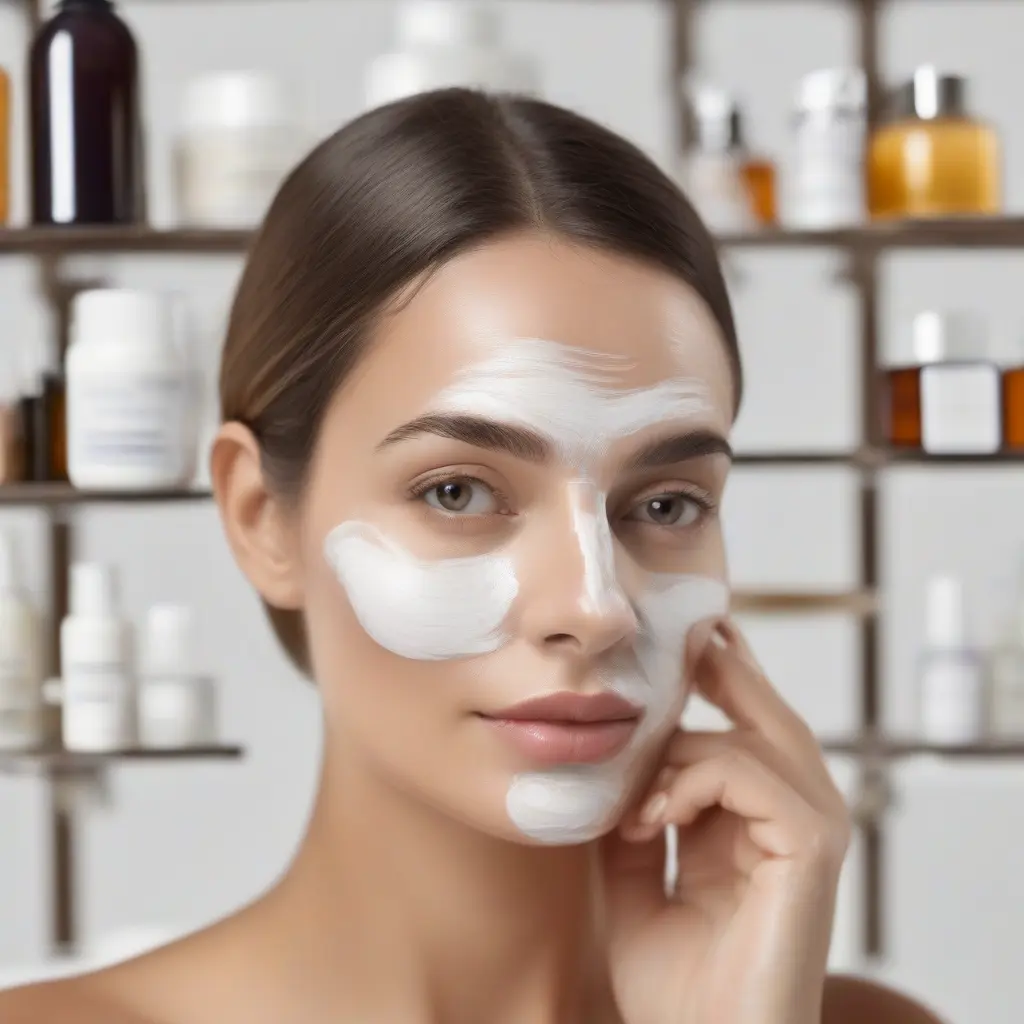
Understanding ingredient labels is crucial in your daily skincare routine. By mastering how to read them, you can discern what your products contain and how they affect your skin. Knowing the composition of your skincare products not only aids in selecting the right ones but also helps you avoid harmful ingredients. Each label provides vital information on effectiveness, safety, and suitability for your skin type. This article explores the key factors to consider when reading ingredient labels, ensuring you make informed choices that benefit your skin’s health.
Understanding Ingredient Lists
Ingredient lists are often ordered by quantity, beginning with the highest concentration. This means that ingredients listed first dominate the formulation, reflecting their potency in the product. Understanding this order is essential for evaluating how beneficial a product may be for your skin. Pay attention not just to the first few ingredients, but also to those towards the end, as many effective and beneficial components appear in smaller concentrations. This hierarchy can help you make better choices aligned with your skincare goals.
Recognizing Effective Ingredients
Identifying effective ingredients is critical when choosing skincare products. Active components like retinol, hyaluronic acid, and vitamin C are known for their beneficial properties, such as anti-aging, hydration, and brightening effects. Research these ingredients to understand how they interact with your skin type and concerns. Familiarizing yourself with these actives enables you to select products that target your specific skincare issues effectively, ensuring that your daily regimen is both efficient and beneficial.
Avoiding Harmful Ingredients
Just as it’s important to identify beneficial ingredients, it’s equally crucial to avoid harmful ones. Ingredients like parabens, sulfates, and synthetic fragrances can lead to skin irritation and other adverse reactions. Being proactive about avoiding these can greatly enhance your skincare routine. Research potential allergens and irritants, especially if you have sensitive skin. By steering clear of harmful components, you can ensure that your skincare products contribute positively rather than negatively to your skin’s health.
Understanding Labels for Sensitive Skin
For individuals with sensitive skin, understanding labels becomes even more important. Look for products that are hypoallergenic, fragrance-free, and designed specifically for sensitive skin types. Such products often feature gentler formulas and are less likely to cause irritation. Additionally, familiarizing yourself with soothing ingredients like aloe vera or chamomile can further improve your skincare experience. Always patch test new products to ascertain their effects before incorporating them into your regular routine, as sensitivity can vary widely from person to person.
Reading Between the Lines: Common Misleading Claims
Marketing jargon can often blur the lines when it comes to ingredient labels. Terms like ‘natural,’ ‘organic,’ or ‘hypoallergenic’ can be misleading, as they do not necessarily guarantee effectiveness or safety. Understanding regulatory definitions of such claims can help you discern marketing from reality. Always scrutinize the ingredient list rather than relying solely on the product’s label claims. This diligence will empower you to make choices that are genuinely beneficial for your skincare needs.
The Role of Concentration and Formulation
The effectiveness of an ingredient also depends on its concentration and how it is formulated. Some ingredients work best in specific concentrations; for example, a 2% concentration of salicylic acid can be effective for acne-prone skin. Moreover, how ingredients are combined can influence their efficacy. Products designed to work symbiotically will often yield better results. Understanding these nuances helps you select formulations that maximize the benefits of active ingredients while minimizing potential adverse reactions.
Paying Attention to Expiration Dates
Expiration dates matter significantly when it comes to skincare. Ingredients can degrade over time, losing their effectiveness and potentially causing skin irritation. Many products have a ‘Period After Opening’ (PAO) symbol, indicating how long they remain effective after being opened. Familiarizing yourself with these indications will prevent using expired products that could harm your skin. Regularly check your skincare stash, and remember to rotate out old items to maintain an effective and safe skincare routine.
The Importance of Patch Testing
Patch testing is a crucial step when incorporating new products into your skincare routine. This simple method can help identify potential allergic reactions or irritations before fully applying the product to your face. Apply a small amount to a discreet area, such as behind your ear or on your inner wrist, and observe for any reactions over 24-48 hours. This precaution protects your skin and allows you to enjoy new products confidently, ensuring they align well with your skincare goals.
Consulting with Professionals
When in doubt about which ingredients to include or avoid, consulting with a dermatologist or skincare expert can provide personalized guidance. Professionals can help analyze your skin type, concerns, and any reactions you’ve experienced in the past. They may recommend specific products or ingredients tailored to your individual skincare needs. Embracing expert advice adds another layer of assurance, minimizing guesswork and enhancing the likelihood of achieving your skincare goals.
Conclusion
In conclusion, understanding how to read and interpret ingredient labels is essential in establishing an effective daily skincare routine. By recognizing the significance of active and harmful ingredients, paying attention to formulation details, and being wary of common marketing claims, you empower yourself to make informed decisions. As skincare is highly personal, combining this knowledge with professional advice ensures a customized approach enhances your skin’s health and radiance.