Unwanted skin texture can be a common concern across various skin types, impacting everything from overall appearance to self-esteem. Whether your skin is oily, dry, combination, or sensitive, specific treatment methods can help you effectively address texture issues. This guide dives into the best practices tailored for each skin type, focusing on ingredients, routines, and solutions that promote a smoother, more even complexion. Understanding your skin type is the first step toward selecting the right regimen that can lead to noticeable improvements in skin texture.
Understanding Skin Types
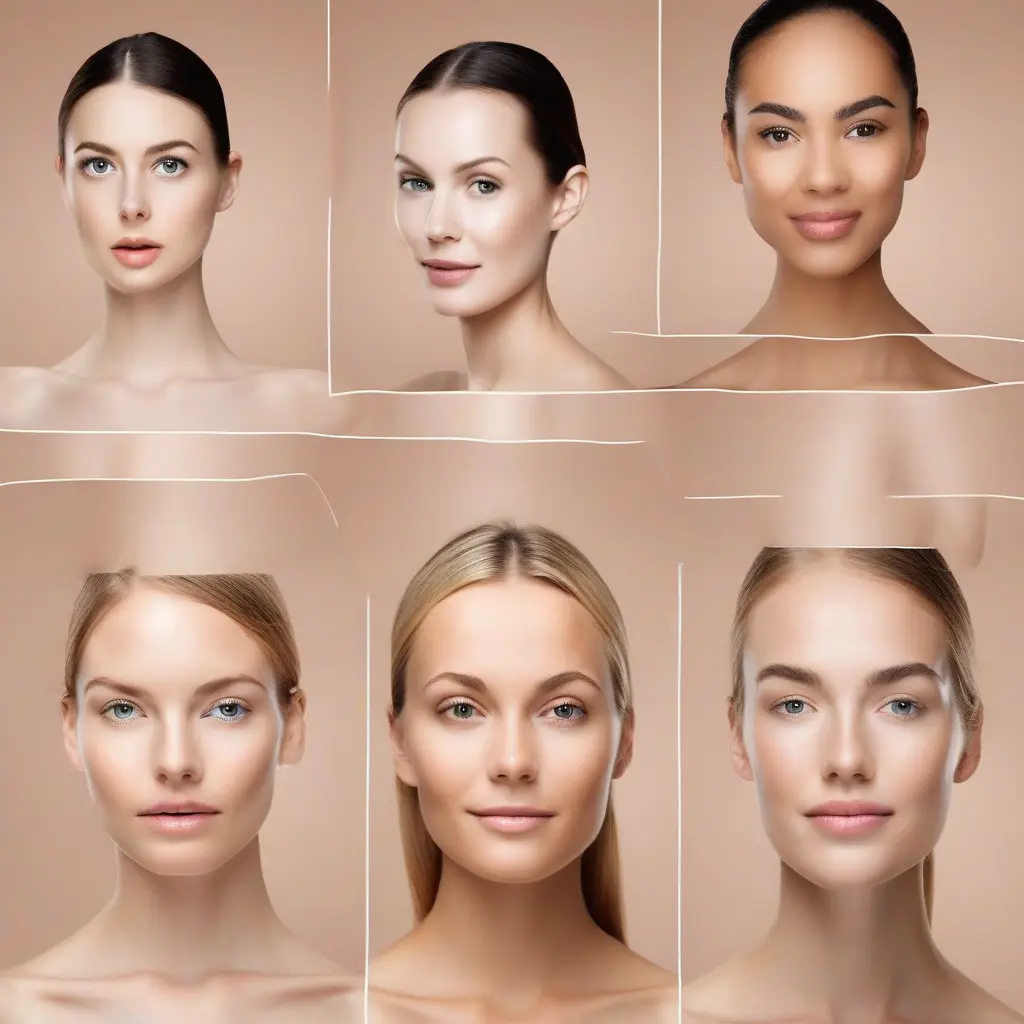
Recognizing your skin type is crucial for effectively treating unwanted texture. Skin types generally fall into four categories: oily, dry, combination, and sensitive. Oily skin often experiences enlarged pores and a shiny appearance, while dry skin may feel rough and flaky. Combination skin merges both characteristics, with oily areas typically in the T-zone and dryness in other areas. Sensitive skin can react adversely to various products, leading to redness or irritation. Identifying your skin type allows you to tailor your skincare approach for optimal results.
Best Treatments for Oily Skin
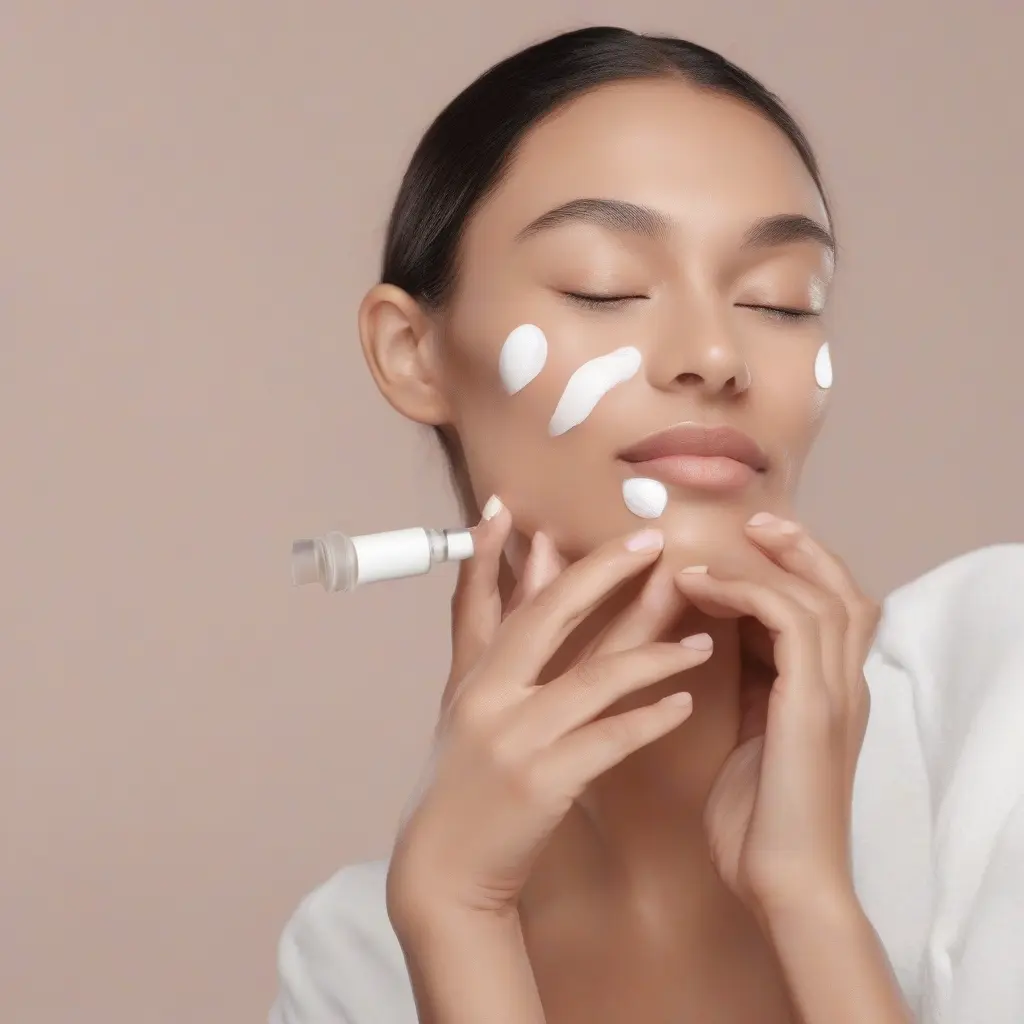
If you have oily skin, focusing on oil-control products can help reduce unwanted texture. Look for non-comedogenic moisturizers and clay masks that absorb excess oil. Ingredients like salicylic acid can help exfoliate and clear blocked pores, preventing the buildup of texture-causing impurities. Regular exfoliation is vital—consider incorporating chemical exfoliants with glycolic or lactic acid to smoothen the skin. Additionally, maintaining a consistent cleansing routine can help remove excess oil and impurities, creating a clearer, more textured surface.
Treating Dry Skin Effectively
For those with dry skin, hydration is key to managing unwanted textures. Use creamy, nourishing cleansers that don’t strip your skin of its natural oils. Opt for rich moisturizers containing hyaluronic acid or glycerin to draw moisture into the skin. Regular gentle exfoliation with mild scrubs or enzymatic exfoliants can help remove dead skin cells without causing irritation. Additionally, incorporating hydration-rich serums or facial oils can create a protective barrier, locking in moisture and improving overall skin texture.
Solutions for Combination Skin
Combination skin requires a versatile approach to tackle different texture concerns in various areas. Use a lightweight gel-based moisturizer for the oily sections while opting for a richer cream in drier areas. Incorporating a targeted exfoliation routine can also help; consider clay masks for the T-zone and hydrating masks for drier areas. It’s essential to choose products that address both oiliness and dryness—look for ingredients like niacinamide that can help balance oil levels while providing hydration. Consistency in your routine will lead to a more even texture overall.
Caring for Sensitive Skin
Sensitive skin requires extra care to prevent irritation while addressing unwanted texture. Focus on using gentle, fragrance-free products that are specifically formulated for sensitive skin. Look for soothing ingredients like aloe vera or chamomile to calm the skin. Exfoliation must be handled cautiously—consider using chemical exfoliants with low concentrations to avoid irritation. Moisturizing with lightweight, hypoallergenic formulas can provide hydration without causing breakouts or redness. Regularly patch-testing new products can also help you identify any potential reactions.
Incorporating Exfoliation into Your Routine
Exfoliation plays a vital role in treating unwanted skin texture across all skin types. It helps to remove dead skin cells, revealing a smoother complexion underneath. For oily and combination skin, chemical exfoliants can efficiently dissolve excess sebum, whereas dry skin may benefit from gentle physical exfoliants that won’t aggravate the skin. Incorporate exfoliation into your routine 1-3 times a week, depending on your skin’s sensitivity. Always follow up with a good moisturizer to ensure the skin remains hydrated and nourished after exfoliation.
Importance of a Good Skincare Routine
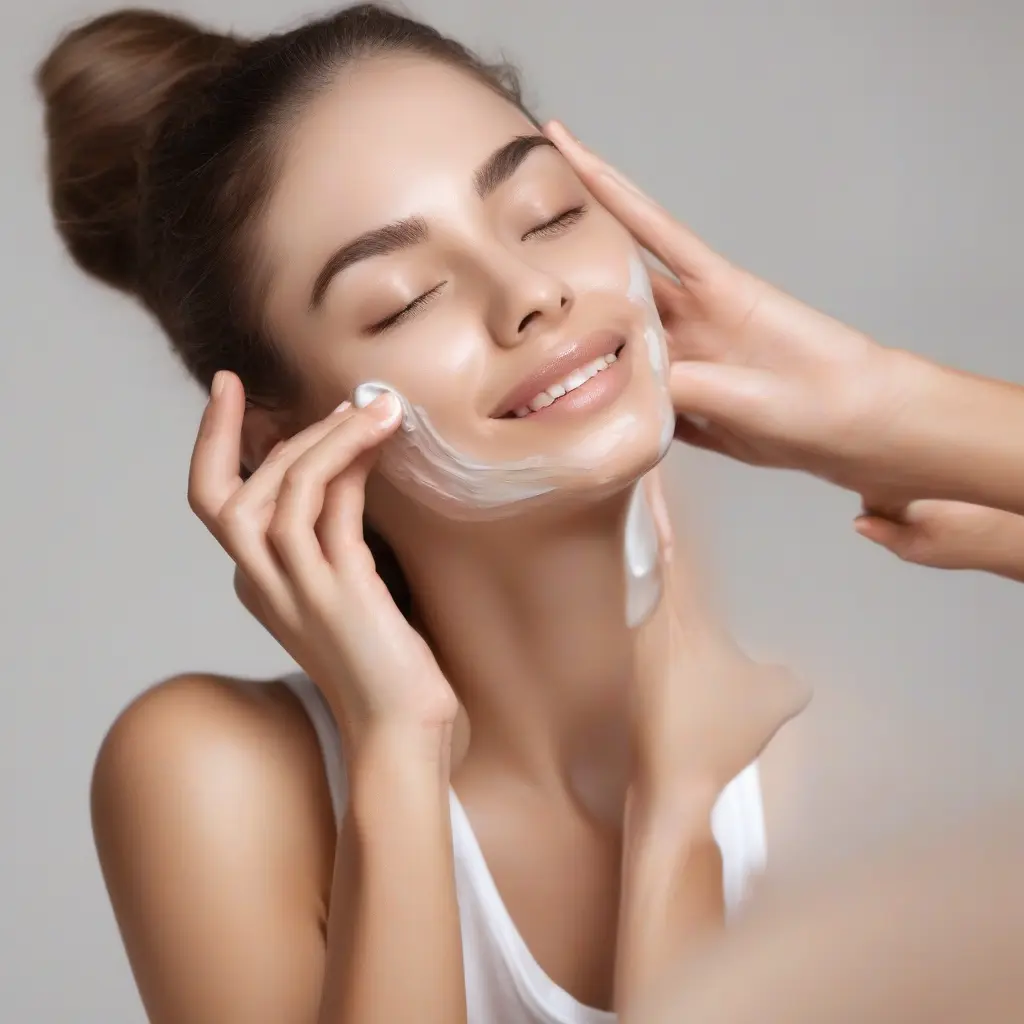
Establishing a consistent skincare routine is essential for addressing unwanted texture effectively. Cleansing, toning, and moisturizing should form the backbone of your daily regimen. Customize each step to suit your skin type, using products that contain ingredients beneficial for texture improvement. Ensure your routine remains simple yet effective—overloading on products can lead to irritation and hinder results. Regularly reassess your routine to make necessary adjustments as your skin changes with the seasons or due to age, keeping your skin healthy and radiant.
Hydration and Its Role in Skin Texture
Hydration plays a crucial role in maintaining smooth skin texture. When the skin is properly hydrated, it appears plumper and more resilient, effectively reducing the appearance of uneven textures. Regardless of skin type, incorporating hydrating elements, like serums with hyaluronic acid or hydrating mists, can boost moisture levels. Drinking sufficient water throughout the day also aids in maintaining skin hydration from the inside out. Balancing hydration in your skincare routine helps to foster a more even and youthful appearance over time.
Dietary Factors Affecting Skin Texture
Your diet can significantly impact your skin’s texture. Consuming foods rich in antioxidants, like fruits and vegetables, can combat oxidative stress, promoting healthier skin. Omega-3 fatty acids found in fish and nuts also help maintain skin elasticity and moisture levels. On the other hand, excessive sugar and processed foods may lead to inflammation, contributing to uneven texture. Consider maintaining a balanced diet, incorporating vitamins and minerals essential for skin health. A holistic approach to skincare considers both external and internal factors for optimal results.
Lifestyle Habits Influencing Skin Quality
Lifestyle habits greatly influence skin texture and overall quality. Factors like stress, lack of sleep, and smoking can lead to compromised skin. Establishing a routine that includes stress management practices such as yoga or meditation can help improve skin condition. Furthermore, ensuring adequate sleep allows for cellular repair and regeneration. Avoiding smoking and excessive alcohol consumption can also promote a healthier complexion. Making conscious lifestyle choices can significantly enhance your skincare efforts, leading to smoother, more radiant skin.
Consulting a Dermatologist
If texture issues persist despite a dedicated skincare routine, consulting a dermatologist may be beneficial. Professionals can offer tailored solutions, ranging from topical treatments to clinical procedures like chemical peels or laser therapy. Dermatologists can also help diagnose underlying skin conditions that may contribute to texture concerns, ensuring a comprehensive approach to treatment. Early intervention can lead to better outcomes, making it essential for anyone struggling with skin texture to seek expert advice when needed.
Conclusion
Addressing unwanted texture across different skin types requires a comprehensive and tailored approach. By understanding whether your skin is oily, dry, combination, or sensitive, you can select the most effective treatments and products. Regular exfoliation, hydration, and a balanced diet, combined with a consistent skincare routine, will help improve skin texture over time. If challenges persist, consulting a dermatologist can provide additional support and professional guidance. Embracing a holistic approach allows you to achieve smoother, healthier skin more effectively.