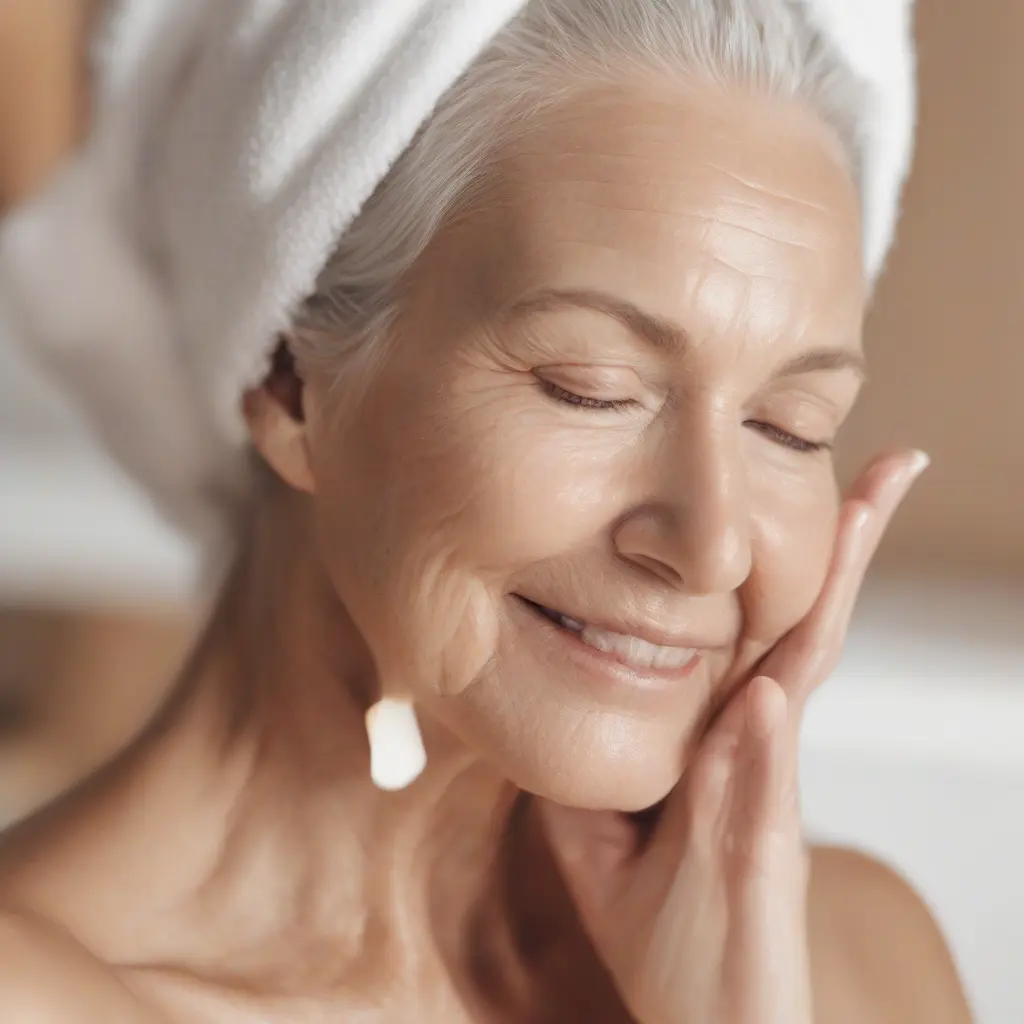
As we age, our skin undergoes various changes, necessitating a tailored skincare routine to maintain its health and appearance. An effective routine can help combat the signs of aging, enhance skin elasticity, and promote a more youthful glow. In this guide, we will explore the crucial steps needed for a skincare regime specifically designed for aging skin, focusing on key ingredients, products, and techniques that can make a significant difference in your skin’s texture and tone.
Understand Your Skin Type
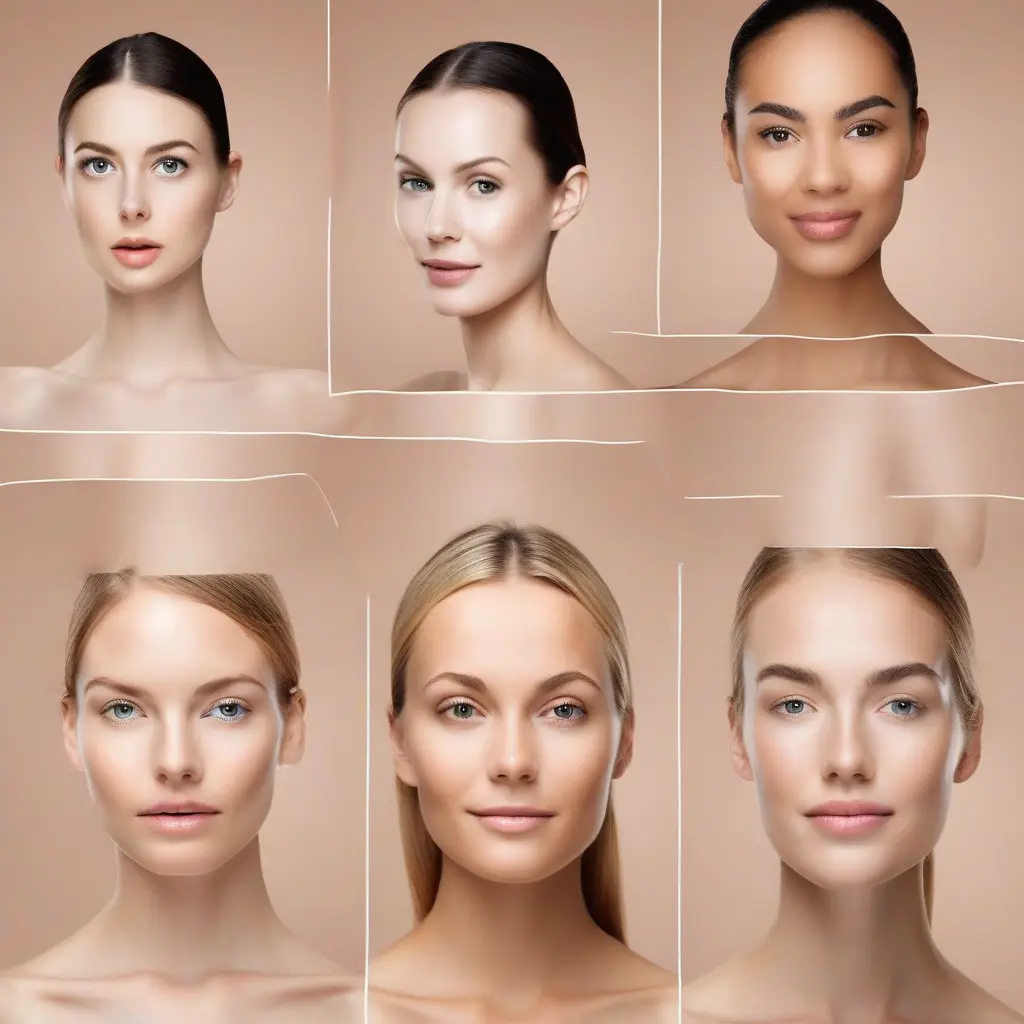
Before creating a skincare routine for aging skin, it’s essential to identify your specific skin type—whether it’s dry, oily, combination, or sensitive. Each skin type requires different products and ingredients to address its unique concerns. For instance, dry skin typically benefits from richer formulations with hydrating ingredients, while oily skin may require lightweight, oil-free products. Understanding your skin type allows you to select the appropriate treatments that will effectively address the signs of aging without exacerbating any existing issues.
Cleanser: Choose Wisely
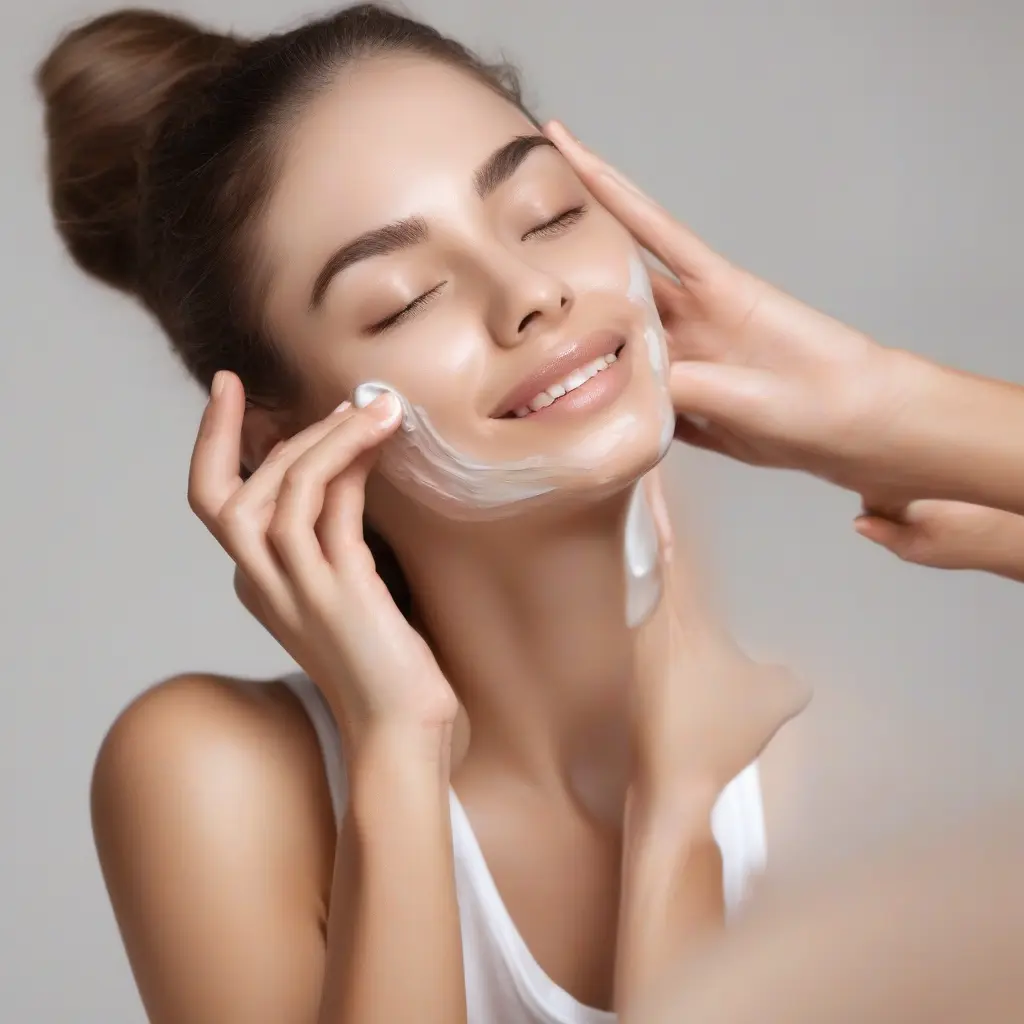
The first step in any skincare routine is cleansing, especially for aging skin, which can become more sensitive and prone to irritation. Opt for a gentle, hydrating cleanser that removes impurities without stripping the skin of its natural oils. Look for ingredients like glycerin or hyaluronic acid, which help maintain moisture levels. Avoid harsh soaps and cleansers with strong fragrances, as these can lead to dryness and irritation, undermining the benefits of subsequent skincare steps.
Incorporate Exfoliation
Regular exfoliation is crucial for aging skin, as it promotes cell turnover and helps to reveal a more radiant complexion. Consider using exfoliants that contain gentle chemical agents, such as alpha hydroxy acids (AHAs) or beta hydroxy acids (BHAs), which effectively dissolve dead skin cells without the abrasiveness of physical scrubs. Exfoliating 1-2 times a week can enhance the effectiveness of your skincare products while keeping your skin smooth and youthful.
Toners: What’s Their Role?
Toners can play a beneficial role in a skincare routine for aging skin by helping to balance the skin’s pH and provide an additional layer of hydration. Look for alcohol-free toners infused with soothing ingredients like rose water or chamomile to avoid irritation. These toners can prepare your skin to better absorb serums and moisturizers, enhancing their overall efficacy and promoting a healthier skin barrier.
Serums: Target Specific Concerns
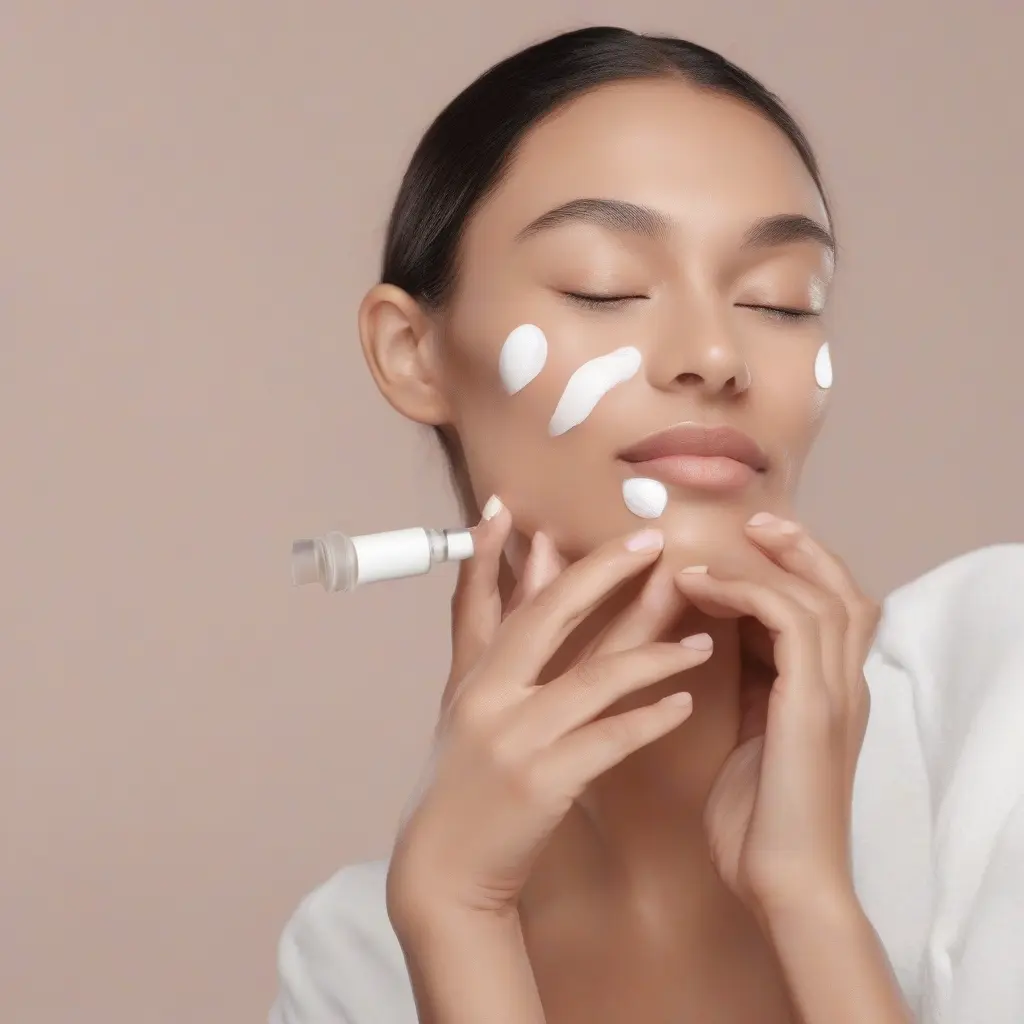
Serums are a powerhouse in the skincare regimen for aging skin, offering concentrated doses of active ingredients that target specific concerns like fine lines, pigmentation, and dullness. Look for serums containing retinoids, vitamin C, and peptides, as these ingredients have proven anti-aging benefits. Applying serums after toner but before moisturizer ensures their active compounds penetrate deeply, giving your skin the best chance to benefit from their effects.
Moisturizing: Lock in Hydration
Moisturizers are vital for aging skin as they help maintain skin hydration and elasticity. Look for richer, nourishing formulations that contain ingredients like ceramides, lipid-rich oils, or hyaluronic acid. These ingredients can help restore the moisture barrier, which often weakens with age. Applying moisturizer while your skin is still slightly damp from toning can maximize hydration and deliver long-lasting results, improving skin suppleness and texture.
Sunscreen: A Non-negotiable Step
Sunscreen is an essential component of any skincare routine, especially for aging skin. UV exposure can accelerate signs of aging like wrinkles and dark spots. Daily application of a broad-spectrum sunscreen with at least SPF 30 protects against both UVA and UVB rays. Incorporating sunscreen into your morning routine, even on cloudy days, helps prevent photoaging, allowing you to maintain a more youthful appearance over time.
Night Care: Focus on Repair
Nighttime skincare is an excellent opportunity for your skin to repair itself while you sleep. Consider using heavier creams or overnight masks that support skin regeneration. Ingredients like retinol or peptides can be particularly effective when applied at night as they enhance cell turnover while you rest. Additionally, incorporating nourishing oils can provide added moisture, ensuring your skin wakes up feeling refreshed and rejuvenated.
Lifestyle Factors: Beyond Skincare
Skincare doesn’t exist in a vacuum; lifestyle choices significantly impact skin health. Incorporating a balanced diet rich in antioxidants and healthy fats can bolster your skin’s appearance from the inside out. Staying hydrated is equally important, as water aids skin elasticity. Additionally, managing stress through practices like yoga or meditation can help reduce skin flare-ups and contribute to a more youthful complexion.
Seek Professional Advice
For personalized skincare, consider consulting a dermatologist or licensed aesthetician. They can perform a thorough skin analysis and recommend treatments tailored specifically for your skin’s needs. Whether it be prescription-strength products or professional treatments like chemical peels and laser therapy, expert guidance can significantly enhance the efficacy of your skincare routine and keep signs of aging at bay.
Conclusion
Creating a skincare routine for aging skin involves understanding your unique skin type and incorporating suitable products that address your specific concerns. Regular cleansing, effective exfoliation, and diligent sun protection form the foundation of a robust routine. By combining these essential steps with serums, moisturizers, and healthy lifestyle choices, you can promote a more youthful appearance and maintain skin vitality as you age.