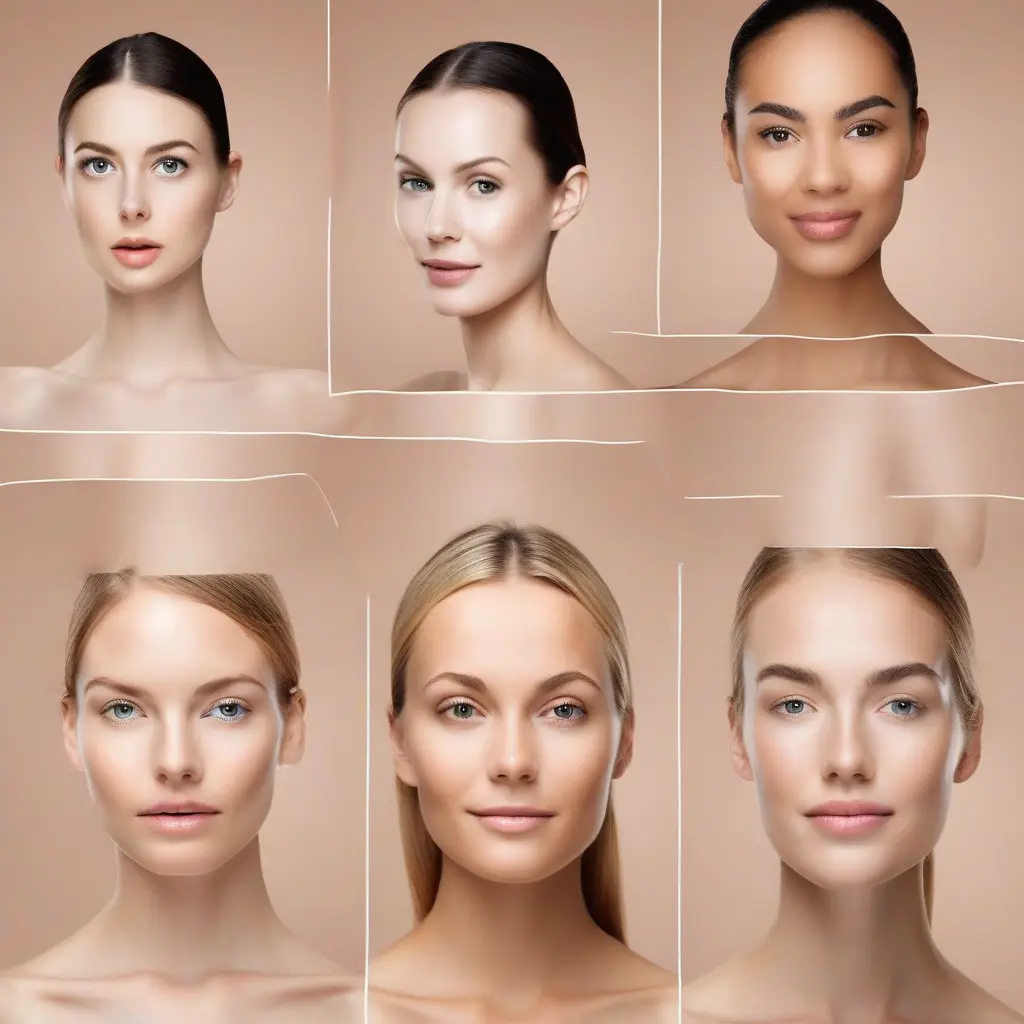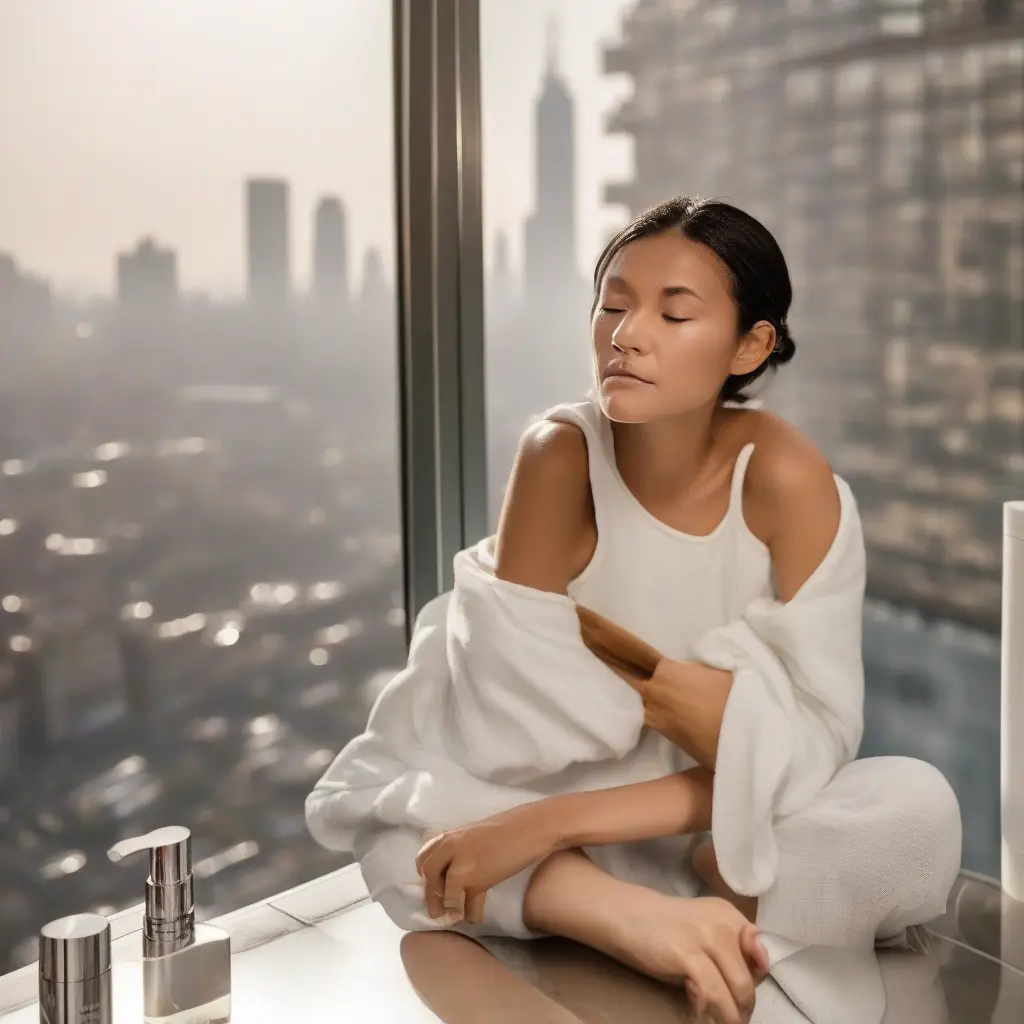
Hormonal fluctuations throughout the menstrual cycle significantly influence skin type and condition. As estrogen and progesterone levels rise and fall, various skin changes manifest, which can impact oil production, hydration, and sensitivity. Understanding these hormonal impacts can help individuals adapt their skincare routines effectively, ensuring that they address specific skin concerns corresponding to each phase of the cycle. This article delves into the key hormonal shifts during the menstrual cycle and their effects on skin health, providing helpful insights for managing skin type changes.
The Menstrual Phase: Understanding Skin Changes
During the menstrual phase, estrogen and progesterone levels drop considerably, which can lead to various skin reactions. Some may notice increased dryness as oil production decreases, revealing flakiness and dullness. For others, the hormonal shift may trigger breakouts due to the sudden imbalance in skin oiliness. While the menstrual phase often offers a reprieve from hormonal acne, individual experiences vary widely, necessitating a personalized skincare regimen to effectively manage skin conditions emerging during this time.
Follicular Phase: Reveling in Radiance
In the follicular phase, estrogen levels begin to rise, often leading to improvements in skin texture and overall brightness. Increased estrogen promotes collagen production, which can enhance skin elasticity and hydration. As oil production stabilizes, many experience a reduction in both acne and dryness. This phase is ideal for using products that hydrate and nourish the skin, facilitating a fresh, radiant complexion. With the skin showing signs of improvement, it is essential to maintain a balanced skincare routine that supports these positive changes.
Ovulation Phase: Glowing Skin and Increased Oiliness
During ovulation, estrogen peaks, often resulting in a noticeably glowing complexion. Many women report their skin feeling softer and more hydrated, thanks to increased oil production. However, this heightened oiliness can also lead to clogged pores and breakouts for some individuals. It’s a critical time to focus on cleansing and exfoliation to ensure that pores remain clear while enjoying the skin’s natural radiance. Selecting lightweight, non-comedogenic products can help balance the skin during this phase, ensuring it remains healthy and vibrant.
Luteal Phase: Handling Hormonal Acne
The luteal phase is marked by rising progesterone levels, which often result in increased oil production, leading to hormonal acne for many women. This phase can be challenging, characterized by skin sensitivity and flare-ups. A skincare routine focusing on balancing oiliness while gently exfoliating is crucial to minimize breakouts. Incorporating products with salicylic acid or benzoyl peroxide can help manage these skin issues effectively. Additionally, moisturizing to maintain skin hydration without clogging pores is critical in this vulnerable phase.
Skin Sensitivity and Hormones: The Connection
Hormones not only influence oil production but also affect skin sensitivity and inflammation. Fluctuating estrogen and progesterone levels can heighten the skin’s response to irritants, making it more prone to conditions like redness or irritation. Understanding these connections allows individuals to tailor their skincare products to avoid harsh ingredients during sensitive times. Utilizing gentle, soothing formulations rich in antioxidants can help mitigate reactions while maintaining the skin’s barrier function, promoting overall health throughout the menstrual cycle.
Nutrition’s Role in Hormonal Balance and Skin Health
Nutrition plays a vital role in balancing hormones, subsequently affecting skin health. A diet rich in omega-3 fatty acids, antioxidants, and vitamins can support hormonal stability and enhance skin resilience. Foods such as fatty fish, leafy greens, and nuts provide essential nutrients that help reduce inflammation and promote hydration. Understanding the impact of diet on hormone levels empowers individuals to make informed dietary choices that align with the skin’s needs throughout the menstrual cycle, fostering a proactive approach to skin health.
Stress Management and its Effect on Hormonal Skin
Stress can exacerbate hormonal fluctuations, leading to increased skin issues, especially during the luteal phase. Elevated cortisol levels often result in more significant oil production and, therefore, a higher likelihood of breakouts. Incorporating stress management techniques such as yoga, meditation, or regular exercise can significantly counteract these effects. By reducing stress levels, individuals can help stabilize their hormones and, by extension, minimize adverse skin reactions. Establishing a calming routine is crucial for maintaining healthy skin during turbulent hormonal cycles.
Tailoring Skincare Routines to Hormonal Cycles
Adapting a skincare routine to align with hormonal changes throughout the cycle can lead to improved skin condition and health. During the menstrual phase, focus on hydration, while the follicular phase can embrace lighter, brightening products. Around ovulation, maintaining clarity with a good cleansing routine is essential, while during the luteal phase, targeting oiliness and breakouts with specific treatments becomes crucial. By being mindful of these changes, individuals can optimally care for their skin, enhancing overall appearance and comfort throughout the month.
The Importance of Professional Advice
Consulting with dermatologists or skincare professionals can provide valuable insights into effectively managing hormone-related skin changes. A professional can help develop a personalized approach that considers individual skin types, hormonal patterns, and overall lifestyle factors. Tailored recommendations can lead to more effective treatments and better outcomes. Seeking professional advice not only aids in proper skin care but also helps individuals better understand their skin in the context of hormonal fluctuations, setting a solid foundation for ongoing skin health.
Conclusion
Understanding how hormones influence skin type throughout the menstrual cycle is essential for effective skincare management. By recognizing the unique needs of your skin in each phase, it becomes easier to make informed product choices and lifestyle adjustments. Balancing hormones through diet, stress management, and tailored skincare can lead to healthier skin experiences. Ultimately, a proactive, informed approach empowers individuals to embrace their skin’s journey throughout the month.