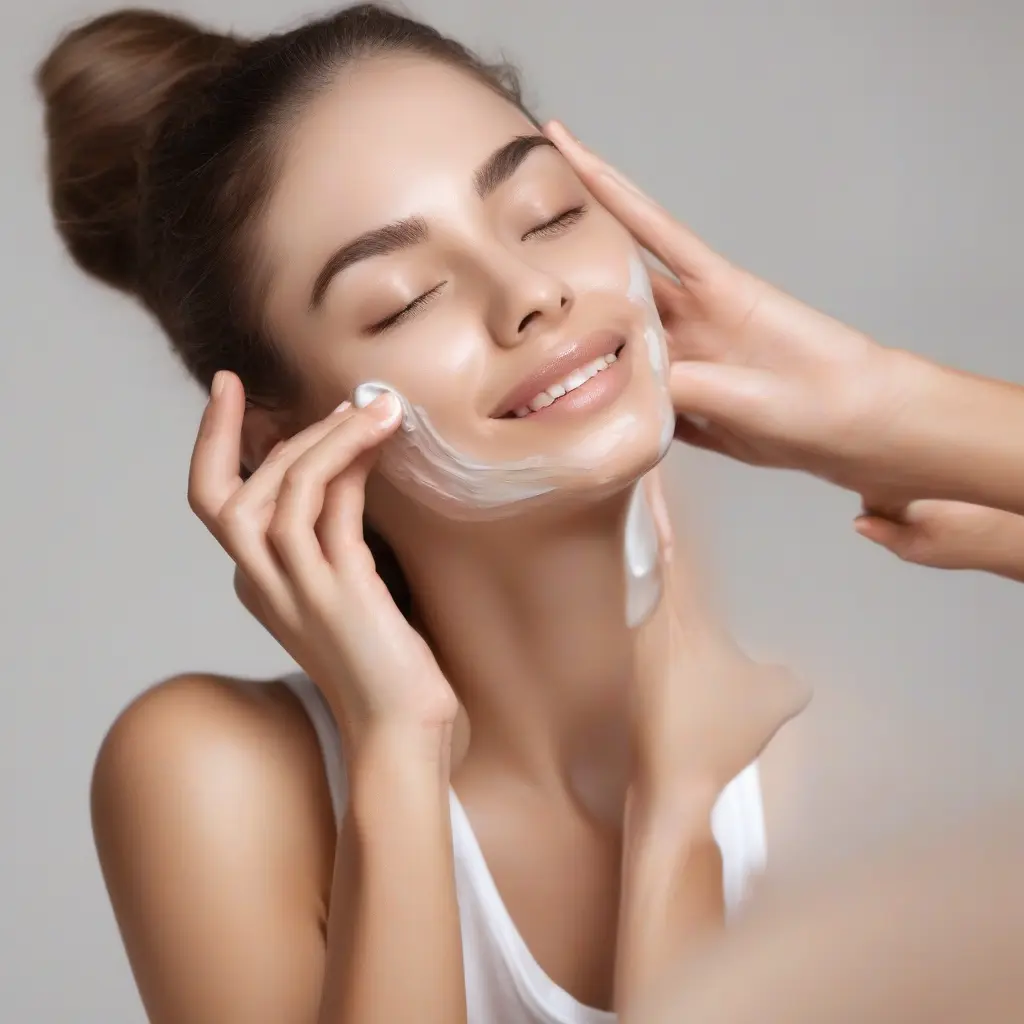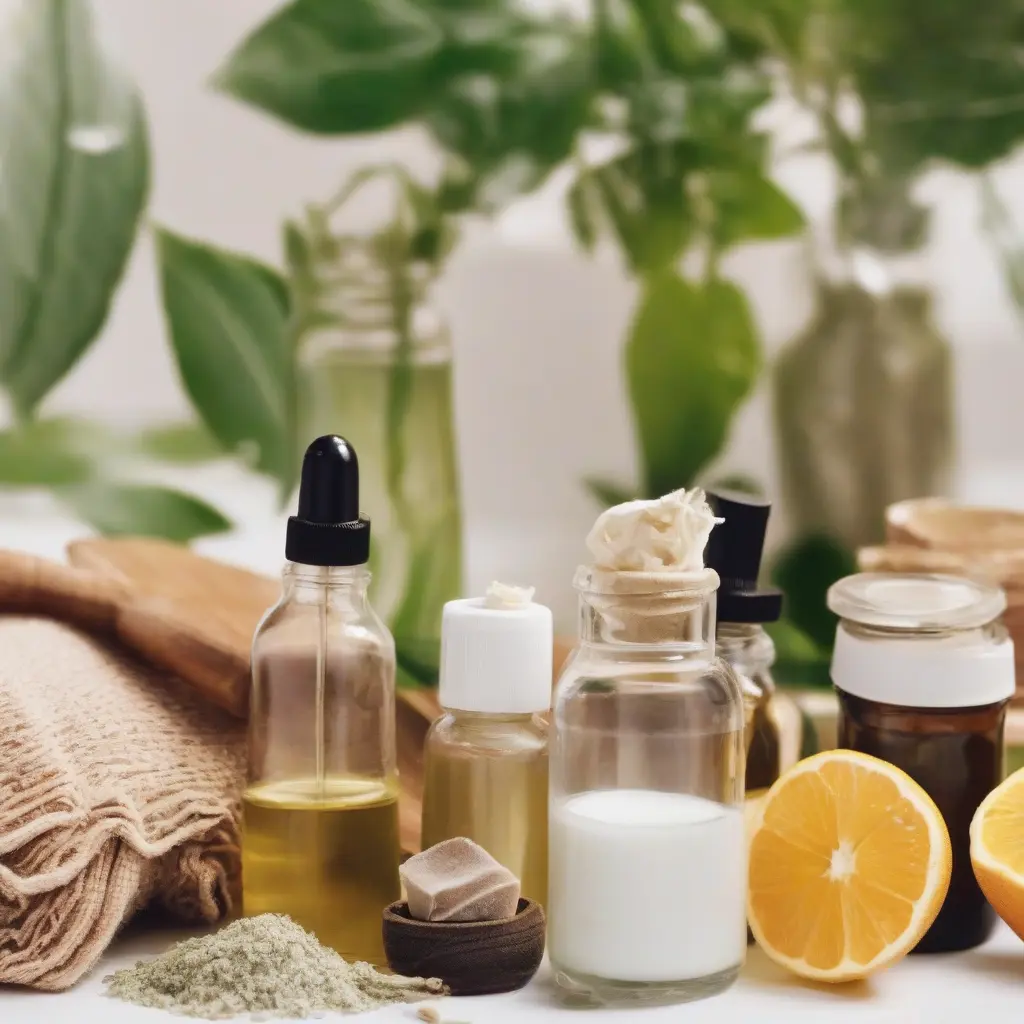
Incorporating DIY natural ingredients into your daily skincare routine can enhance your skin’s health and vitality while using safer alternatives to commercial products. With rising awareness about the potential harmful effects of certain chemicals in beauty products, many individuals are seeking organic solutions. This guide will delve into various effective natural ingredients, their benefits, and safety tips to ensure optimal results. By understanding how to use these ingredients correctly, you can create a personalized skincare regimen that suits your skin type and concerns.
Understanding Your Skin Type
Before embarking on a DIY skincare journey, it’s crucial to identify your skin type, which can be categorized into dry, oily, combination, sensitive, and normal. Each skin type has unique characteristics and requires different kinds of ingredients to maintain its health. For instance, individuals with dry skin may benefit from ingredients like honey and avocado, which provide intense hydration, while those with oily skin might prefer clay masks or witch hazel for their oil-absorbing properties. Understanding your skin type will enable you to choose the right natural ingredients effectively.
Honey: The Humectant Powerhouse
Honey is a versatile ingredient known for its humectant properties, making it ideal for individuals with various skin types. Not only does it retain moisture, but it also provides mild exfoliation due to its natural enzymes. Incorporating honey into facials or masks can soothe irritation, reduce redness, and promote a smoother complexion. To reap the maximum benefits, opt for raw, organic honey, as it retains more nutrients than processed varieties. Also, always perform a patch test before applying it across your face to avoid any allergic reactions.
Aloe Vera: Soothing and Healing
Aloe vera is celebrated for its soothing properties and is often used to treat sunburn and skin irritations. Its gel-like consistency makes it easy to apply directly on the skin and is packed with vitamins, minerals, and antioxidants that promote skin health. You can use pure aloe vera gel as a moisturizer or incorporate it into DIY face masks for added hydration. Ensure you extract the gel from a fresh aloe vera leaf or choose 100% pure aloe vera products to avoid added chemicals that might irritate your skin.
Avocado: Nourishment in a Fruit
Avocado is a powerhouse of nutrients, including healthy fats, vitamins A, D, and E. Its creamy texture makes it an excellent ingredient for homemade face masks, especially for dry or mature skin. Avocado masks can hydrate deeply and improve skin elasticity, offering a youthful appearance. Combine mashed avocado with ingredients like honey or yogurt for an added nourishing effect. However, ensure you are not allergic to avocados, as some individuals may experience reactions, and always use ripe fruit for the best results.
Oatmeal: Gentle Exfoliant
Oatmeal is not just a breakfast staple; it is also a gentle exfoliant beneficial for sensitive skin. It can cleanse the skin while providing anti-inflammatory effects, making it ideal for soothing conditions like eczema or acne. Grinding oats into a fine powder can create a natural scrub or mask. Mix with water or milk to create a paste and massage it onto your skin, then rinse off to reveal smoother skin. Always use organic oats devoid of additives to maximize their effectiveness and minimize potential irritation.
Coconut Oil: Nature’s Moisturizer
Coconut oil is revered for its moisturizing properties and is widely used in DIY skincare. Packed with fatty acids, it can deeply penetrate the skin, providing hydration and preventing moisture loss. It is particularly beneficial for dry skin and can also serve as a makeup remover. However, those with oily or acne-prone skin should use it cautiously, as it might clog pores. Choosing organic virgin coconut oil ensures you are using a product free from harmful chemicals, thereby maximizing its benefits.
Essential Oils: Aroma and Benefits
Essential oils are concentrated plant extracts that offer various benefits, including anti-inflammatory, antiseptic, and antioxidant properties. Oils like tea tree, lavender, and chamomile can enhance DIY skincare formulations. For instance, tea tree oil is renowned for its acne-fighting properties, while lavender oil promotes relaxation and soothes skin irritations. However, essential oils should always be diluted in a carrier oil before topical application to prevent adverse reactions. Perform a patch test first to ensure compatibility with your skin.
Safety Tips for Using Natural Ingredients
While natural ingredients offer many benefits, proper usage and care are essential to avoid adverse reactions. Always perform a patch test before applying any new ingredient to your face to check for allergies. Start with small amounts and observe your skin’s reaction over 24 hours. Additionally, ensure that ingredients are sourced from reputable suppliers and are fresh to maintain their effectiveness. Store homemade skincare products in a cool, dark place and use them within a reasonable time frame to prevent spoilage.
Creating a Simple DIY Skincare Routine
A simple DIY skincare routine can be built around natural ingredients tailored to your specific needs. Start with cleansing your face using a gentle natural cleanser like honey or oatmeal. Follow up with a toner made from apple cider vinegar diluted with water or a soothing aloe vera gel. Afterward, apply a suitable moisturizer, such as coconut oil or a blend of avocado and honey. Lastly, incorporate weekly masks using ingredients like oatmeal or avocado for deep nourishment. Consistency is key to seeing long-term improvements in your skin’s health.
Conclusion
Integrating DIY natural ingredients into your skincare routine can significantly enhance your skin’s appearance and health while ensuring safety and efficacy. By understanding your skin type and selecting suitable natural ingredients, you can create a tailored regimen that meets your skin’s needs. Always prioritize safety by conducting patch tests and sourcing high-quality materials. Embracing these natural alternatives not only supports your skin but also contributes to a more sustainable lifestyle.