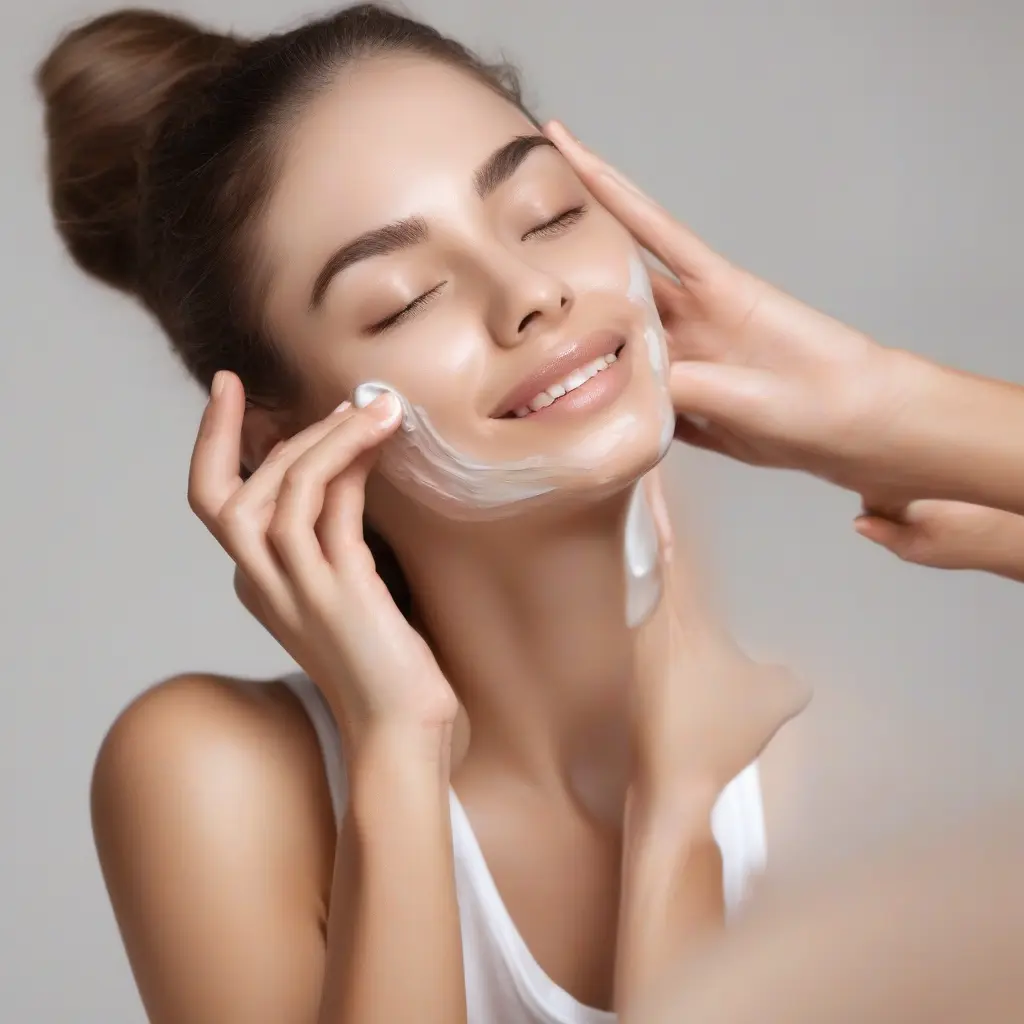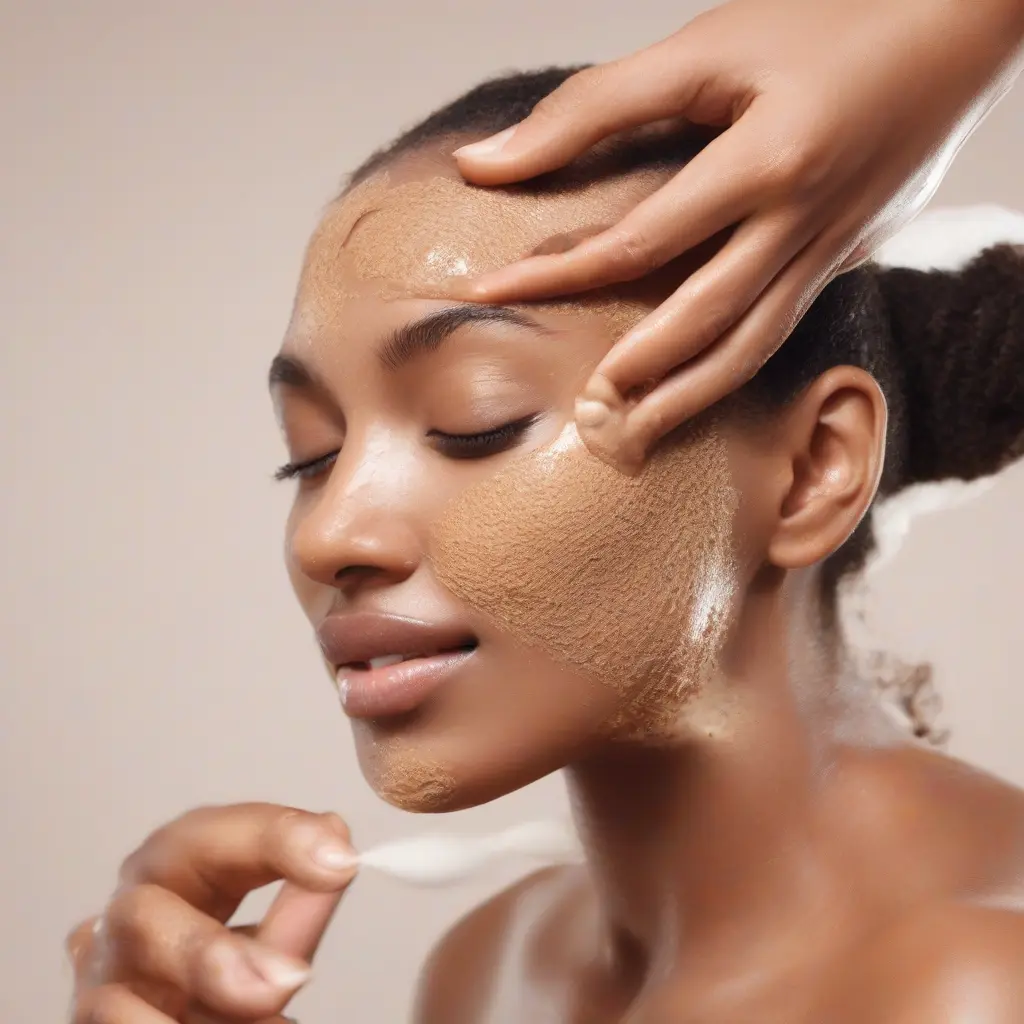
Exfoliation is a crucial step in any skincare routine, allowing for the removal of dead skin cells and promoting healthier, more radiant skin. This process can vastly improve the texture and appearance of your skin while also boosting the effectiveness of other skincare products. However, understanding the role of exfoliation in relation to your specific skin type is essential for maximizing its benefits. This article will explore how different skin types can incorporate exfoliation, the methods available, and the overall advantages of a well-executed exfoliation routine.
What is Exfoliation?
Exfoliation is the process of removing the outer layer of dead skin cells from the surface of the skin. This can be achieved through physical or chemical methods. Physical exfoliation involves scrubs or tools that manually slough off the dead cells, while chemical exfoliation utilizes acids or enzymes to dissolve them. Both methods aim to enhance skin texture, improve radiance, and foster a smoother surface, setting the stage for more effective absorption of serums and moisturizers. Proper exfoliation contributes to a brighter complexion and helps prevent clogged pores.
Why is Exfoliation Important?
Regular exfoliation is vital for promoting skin cell turnover, which naturally slows down as we age. This buildup of dead cells can lead to dullness, uneven skin tone, and even acne breakouts. By incorporating exfoliation into your regimen, you help to stimulate new cell production, revealing fresher skin beneath. Additionally, exfoliating enhances blood circulation, which can provide a healthier glow and make your skincare products more effective. It also aids in managing skin conditions like acne and flakiness, making it a cornerstone of effective skincare.
Identifying Your Skin Type
Before beginning an exfoliation routine, it’s crucial to identify your skin type, which typically falls into categories such as oily, dry, combination, sensitive, or normal. Each skin type has distinct characteristics that dictate its unique needs and responses to different exfoliation methods. For example, oily skin may benefit from more frequent exfoliation to prevent clogged pores, while dry skin may require gentler methods to avoid irritation. Understanding your skin type allows you to tailor your exfoliation approach, ensuring optimal results.
Exfoliation for Oily Skin
Oily skin often struggles with excess sebum production, leading to clogged pores and breakouts. For individuals with oily skin, regular exfoliation can be particularly beneficial. They may choose chemical exfoliants containing salicylic acid, which penetrates the pores to clear out excess oil and debris. Additionally, physical exfoliants with a finer texture can help to prevent irritation while removing dead skin cells. It’s essential, however, to avoid over-exfoliating, as that can exacerbate oil production and lead to inflammation.
Exfoliation for Dry Skin
For those with dry skin, exfoliation must be approached with care, as harsh scrubs can strip away essential moisture. Gentle chemical exfoliants such as lactic acid can provide effective results without causing dryness. It’s recommended to exfoliate only once a week or every other week to maintain the skin’s natural barrier. Incorporating hydrating ingredients like hyaluronic acid and glycerin post-exfoliation can significantly aid in moisture retention, ensuring the skin looks plump and healthy.
Exfoliation for Combination Skin
Combination skin presents unique challenges, as different areas of the face have varying needs. The T-zone may be oily, while the cheeks can often be dry. For these individuals, a dual approach to exfoliation is advisable. Using a mild physical or chemical exfoliant that is gentle enough for dry areas while effectively targeting oil-prone sections is beneficial. Tailoring the frequency of exfoliation based on the specific needs of each area helps attain a balanced complexion without exacerbating either condition.
Exfoliation for Sensitive Skin
Sensitive skin requires a cautious approach to exfoliation to avoid irritation and redness. Opting for gentle chemical exfoliants like fruit enzymes or mild acids can safely provide the benefits of removal without compromising skin integrity. It’s best to start with a patch test and limit exfoliation to once every two weeks. Additionally, integrating soothing ingredients such as aloe vera or chamomile post-exfoliation can aid in calming the skin and restoring its barrier function.
Exfoliation Tools and Methods
Various tools and products are available for effective exfoliation, catering to different skin types and preferences. Physical exfoliation may include scrubs, brushes, or sponges, while chemical options feature peels and serums with active ingredients. Additionally, devices such as cleansing brushes or silicone pads enhance the exfoliation process by providing light manual exfoliation along with product application. Choosing the right tool depends on personal skin sensitivities and desired results, ensuring an effective yet safe cleansing routine.
Potential Risks of Exfoliation
While exfoliation offers numerous benefits, over-exfoliating can lead to skin concerns, such as redness, irritation, and compromised skin barrier. It’s crucial to listen to your skin and adjust the frequency of exfoliation accordingly. Signs of over-exfoliation include persistent dryness, sensitivity, or breakouts. Ensuring you’re using the appropriate products suited to your skin type and incorporating nourishing ingredients can help mitigate risks, promoting healthier skin without overstraining its natural defenses.
Integrating Exfoliation into Your Routine
Incorporating exfoliation into your skincare regimen should be approached with planning. Start by determining the optimal frequency for your skin type, whether it be once a week or more frequently for oily skin. Next, choose suitable products or tools based on your skin’s needs. Consistency is key—making exfoliation a regular aspect of your routine encourages steady improvements in skin texture and tone. Follow with a hydrating serum or moisturizer to maintain balance after exfoliation.
Maintaining Healthy Skin Post-Exfoliation
After exfoliating, your skin is more receptive to products, so it’s essential to follow up with nourishing treatments. Incorporating hydrating ingredients like hyaluronic acid, antioxidants, and soothing agents can help restore moisture and protect the skin. Additionally, applying sunscreen daily, especially after exfoliation, aids in preventing damage from UV exposure. Maintaining a consistent skincare routine that focuses on nourishing and protecting the skin will enhance the results obtained from regular exfoliation.
Conclusion
Exfoliation plays a pivotal role in achieving and maintaining healthy skin across various skin types. By understanding your unique skin characteristics and choosing the right methods, you can maximize the benefits of exfoliation. This integral step in skincare not only clears out dead skin cells but also promotes a glowing complexion and enhances the effectiveness of your other products. Prioritizing regular yet appropriate exfoliation can significantly contribute to your overall skin health, ensuring you radiate confidence.