Choosing the right anti-aging products is essential for achieving youthful, vibrant skin, but it can be confusing with the myriad options available. Different skin types, such as oily, dry, combination, and sensitive, have unique needs that require specific ingredients and formulations. Understanding your skin type will help you pick products that not only combat fine lines and wrinkles but also maintain the overall health of your skin. In this guide, we will explore how to choose the best anti-aging solutions tailored to your skin type.
Understanding Your Skin Type
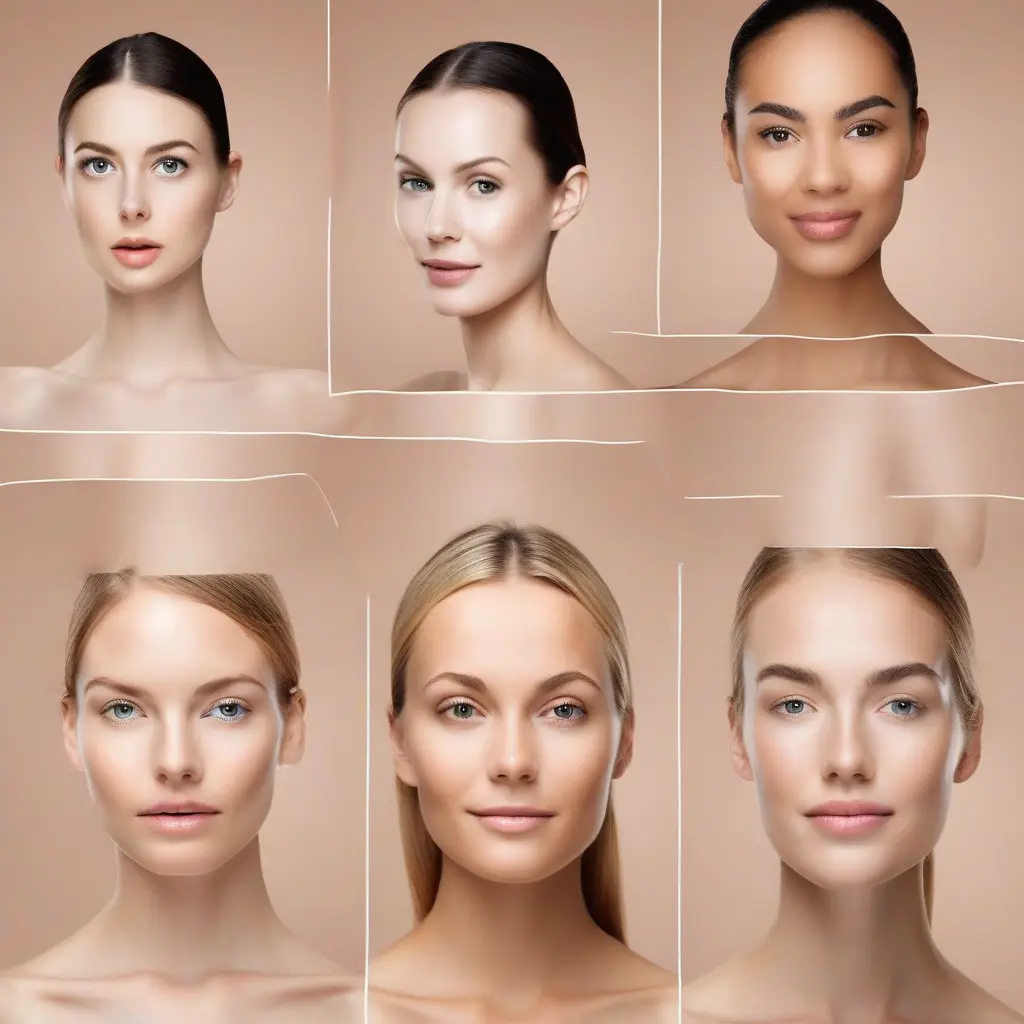
Identifying your skin type is the first step in selecting effective anti-aging products. Generally, skin types are categorized into five main categories: oily, dry, combination, sensitive, and normal. Oily skin tends to produce excess sebum, leading to a shiny appearance and acne susceptibility. In contrast, dry skin lacks moisture and may feel tight or flake. Combination skin exhibits characteristics of both oily and dry skin, while sensitive skin is easily irritated. Normal skin is often balanced and not prone to issues. Understanding these characteristics helps in making informed product choices.
Anti-Aging Products for Oily Skin
When choosing anti-aging products for oily skin, look for lightweight, oil-free formulas that contain ingredients such as salicylic acid, niacinamide, and retinol. Salicylic acid helps to exfoliate and prevent clogged pores, which is crucial for oily skin. Niacinamide works to regulate oil production and improve skin texture, while retinol aids in cell turnover and reduces the appearance of fine lines. Gel-based serums and lightweight moisturizers are excellent options for oily skin as they provide hydration without adding extra oil.
Anti-Aging Products for Dry Skin
For those with dry skin, it’s crucial to select anti-aging products rich in hydrating ingredients like hyaluronic acid, glycerin, and ceramides. Hyaluronic acid attracts moisture to the skin, plumping it and reducing the appearance of fine lines. Glycerin is an effective humectant that draws moisture from the environment, while ceramides help reinforce the skin’s natural barrier, preventing moisture loss. Cream-based formulations and oils can provide the necessary hydration and nourishment that dry skin craves, making it appear smoother and more youthful.
Anti-Aging Products for Combination Skin
Combination skin requires a careful balance when selecting anti-aging products. Look for formulations that offer hydration without being too heavy or greasy. Products containing multi-tasking ingredients like hyaluronic acid and antioxidants such as vitamin C can be beneficial. While the T-zone may be oily, the cheeks could be dry, so lightweight serums combined with a balanced moisturizer can work well. It’s advisable to use different products for different areas of your face while keeping the skin hydrated and protected against aging.
Anti-Aging Products for Sensitive Skin
Sensitive skin requires gentle anti-aging products that minimize irritation. Look for formulations labeled as hypoallergenic, fragrance-free, and formulated with soothing ingredients like aloe vera, chamomile, and green tea extract. These components not only help with reducing redness but also provide hydration. Products containing low concentrations of retinol can be effective without overwhelming the skin. Always patch-test new products to avoid adverse reactions, and consider consulting a dermatologist for tailored advice.
Key Ingredients to Look For
When selecting anti-aging products, certain key ingredients can provide significant benefits regardless of your skin type. Retinoids are renowned for their ability to boost collagen production and improve skin texture. Peptides, another powerful ingredient, help to stimulate skin regeneration and enhance firmness. Antioxidants like vitamins C and E protect against oxidative stress and free radical damage, which can accelerate aging. Including a combination of these ingredients can provide comprehensive anti-aging benefits tailored to your skin’s specific needs.
Importance of Sunscreen
Regardless of your skin type, incorporating sunscreen into your daily routine is crucial for anti-aging. UV exposure significantly contributes to skin aging, leading to wrinkles, age spots, and loss of elasticity. Select a broad-spectrum sunscreen with an SPF of at least 30, and apply it daily, even on cloudy days. Furthermore, some anti-aging products contain SPF, but it’s best to use a separate, dedicated sunscreen for thorough protection. A consistent sun protection regimen will help to maintain the efficacy of your anti-aging products and preserve youthful skin.
Lifestyle Factors Affecting Skin Aging
In addition to topical products, various lifestyle factors can impact skin aging. A balanced diet rich in antioxidants, such as fruits and vegetables, can promote skin health and combat oxidative stress. Proper hydration helps maintain skin elasticity and plumpness. Additionally, getting enough sleep and managing stress levels can significantly influence the appearance of your skin. Regular exercise promotes healthy blood circulation, which can enhance skin vitality. Taking a holistic approach to skin health will amplify the results of your chosen anti-aging products.
Patch Testing New Products
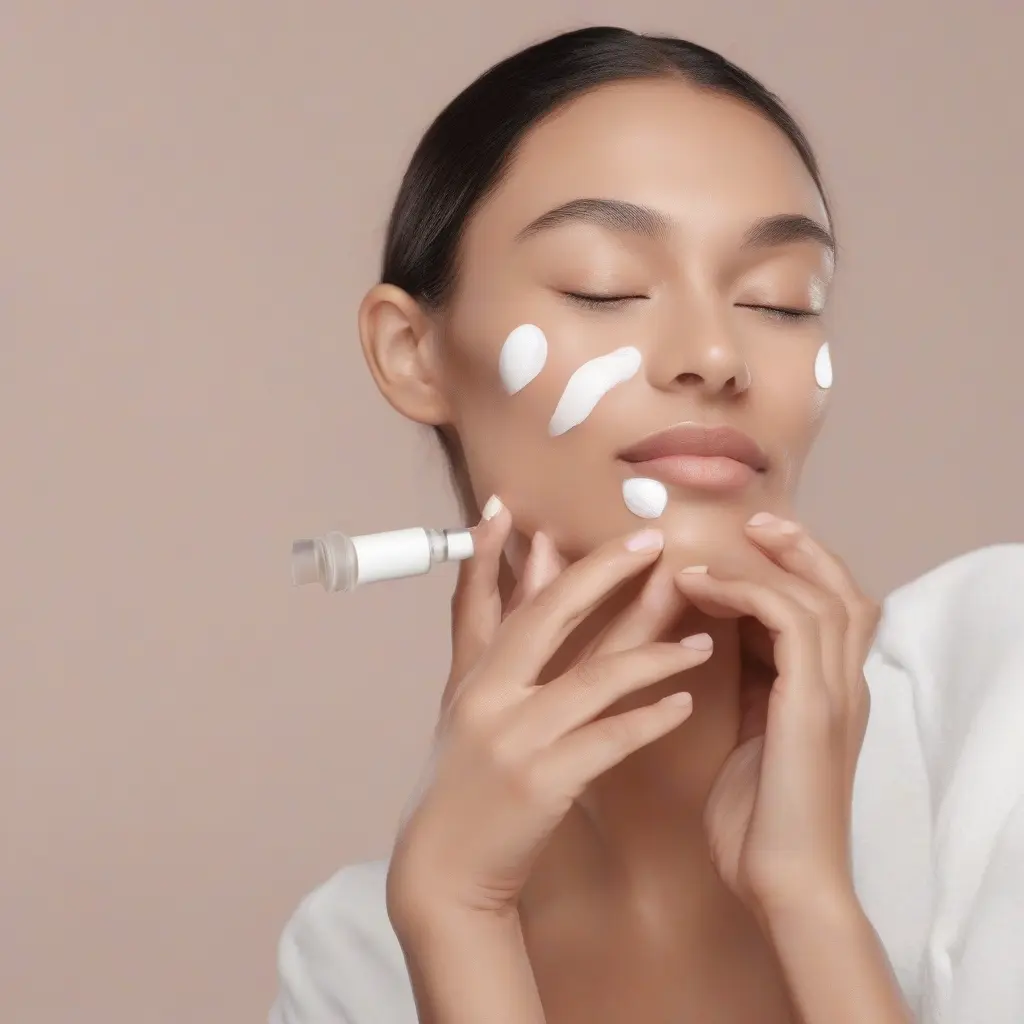
Before fully incorporating any new anti-aging product into your skincare routine, performing a patch test is advisable. Apply a small amount of the product to a discreet area of skin, and observe for any adverse reactions over 24 to 48 hours. This step is especially important for sensitive or reactive skin types. Patch testing helps mitigate the risk of irritation or allergic reactions, allowing you to gauge how your skin will respond before committing to a full application. This practice can lead to a more effective and safer skincare routine.
Consulting a Dermatologist
If you are unsure about which anti-aging products are best for your skin type, consider consulting a dermatologist. They can provide tailored recommendations based on your skin’s unique needs and concerns. Professional advice allows you to take a more individualized approach, ensuring you choose products that work effectively with your skin. Moreover, a dermatologist can guide you on potential cosmetic procedures that may complement your anti-aging regimen for enhanced results.
Conclusion
Selecting anti-aging products that cater to your specific skin type is essential for effective results and promoting overall skin health. By understanding your unique skin characteristics and focusing on key ingredients and formulations suitable for you, you can achieve a more youthful and vibrant complexion. Combining product use with a holistic approach to skincare will enhance the effectiveness of your anti-aging regimen, ensuring your skin ages gracefully.