Understanding the connection between sleep quality and skin type is crucial for anyone aiming for a healthy complexion. While we often focus on skincare products and routines, the impact of sleep can be profound. Poor sleep can lead to various skin issues, such as acne, dryness, and premature aging, while quality rest can enhance skin regeneration and hydration. This article explores the nuances of how sleep affects different skin types, offering insights into improving both sleep hygiene and skincare routines for better skin health.
The Science Behind Sleep and Skin Health
Sleep plays a vital role in the body’s ability to regenerate skin cells. During deep sleep, the body repairs itself, producing more collagen and elastin, essential proteins that keep skin smooth and resilient. This regeneration process is crucial for all skin types but is particularly important for those with sensitive or acne-prone skin. Insufficient sleep may disrupt these processes, leading to visible signs of aging and skin problems. Understanding the biological mechanisms can help individuals recognize the importance of sleep in their skincare routines.
Common Skin Issues Linked to Poor Sleep
Poor sleep quality has been linked to several skin issues such as puffiness, dark circles, and inflammation. Lack of rest can exacerbate conditions like eczema and psoriasis, which often flare during times of stress and sleep deprivation. Additionally, sleep deprivation can disrupt hormone levels, leading to increased oil production and acne breakouts. Recognizing how these factors correlate with sleep can motivate individuals to prioritize restful nights and manage their skin more effectively.
How Different Skin Types React to Sleep Deprivation
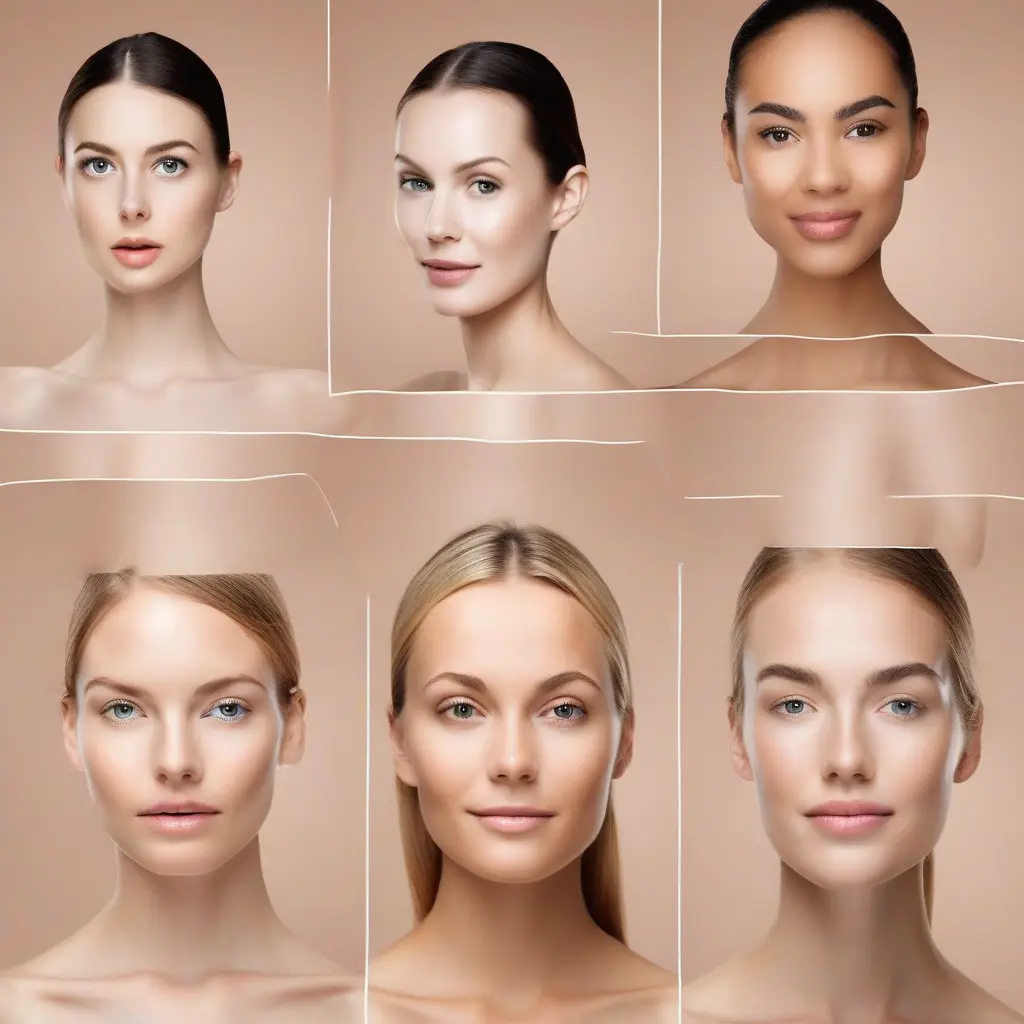
Different skin types react uniquely to sleep deprivation. For example, oily skin might produce excess sebum due to hormonal fluctuations triggered by lack of sleep, leading to breakouts. Conversely, individuals with dry skin may notice increased flakiness and irritation, as inadequate rest reduces moisture retention. Combination skin might suffer both effects, creating a challenging situation. Understanding the relationship between one’s specific skin type and sleep can help tailor skincare regimens for optimal health.
Tips for Enhancing Sleep Quality
To improve sleep quality, individuals should establish a consistent sleep schedule by going to bed and waking up at the same time daily. Creating a relaxing bedtime routine, such as reading or meditating, can also signal the body that it’s time to sleep. Reducing screen time before bed helps minimize blue light exposure, which can interfere with melatonin production. Additionally, maintaining a comfortable sleep environment—cool, dark, and quiet—boosts overall sleep quality. These practices not only enhance sleep but also contribute to healthier skin.
The Role of Nutrition in Sleep and Skin Health
Nutrition significantly impacts both sleep quality and skin health. Foods rich in antioxidants, such as fruits and vegetables, can improve skin condition while promoting better sleep. Omega-3 fatty acids, found in fatty fish and walnuts, have anti-inflammatory properties that enhance skin elasticity and may support restful sleep. Additionally, avoiding processed foods and excessive caffeine can help regulate sleep cycles, ultimately leading to healthier skin. A balanced diet focusing on these nutrients can create a positive feedback loop for both sleep and skin.
The Importance of Hydration for Better Sleep and Skin
Hydration is a crucial factor that influences both sleep quality and skin health. Drinking enough water throughout the day ensures that the skin remains plump and hydrated, reducing the appearance of fine lines and dryness. Conversely, dehydration can lead to poor sleep quality, causing discomfort and restlessness. To enhance both skin quality and sleep, it is recommended to drink adequate water, especially in the hours leading up to bedtime, allowing the body to maintain its natural hydration balance without frequent disruptions during sleep.
Potential Skin Treatments for Better Sleep
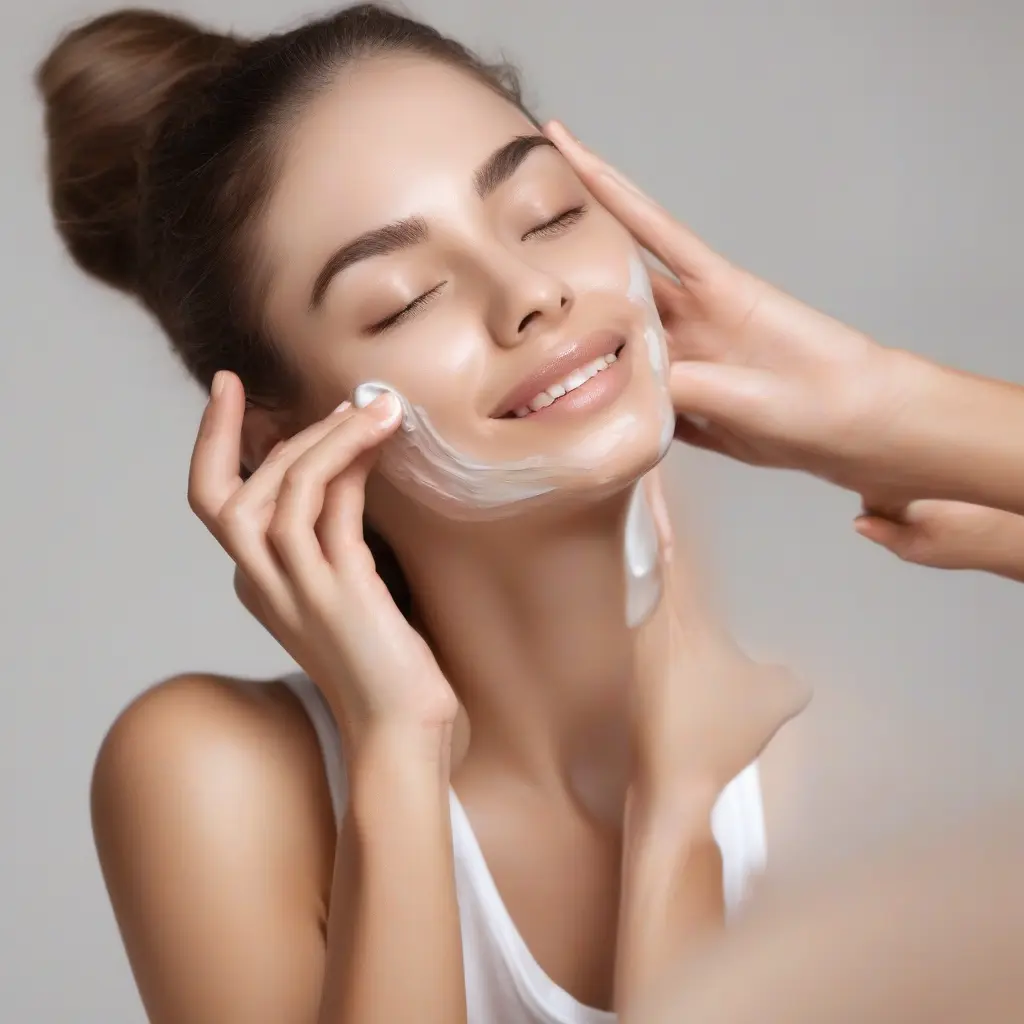
Incorporating skin treatments designed to facilitate better sleep can be beneficial. Products featuring calming ingredients like lavender, chamomile, and CBD can help relax the skin and reduce stress levels. These treatments may also be fortified with peptides or hyaluronic acid to support skin hydration and barrier function during sleep. Utilizing such products as part of a nighttime routine not only addresses skin concerns but also promotes a more restful sleep environment, creating a comprehensive approach to skincare.
Lifestyle Changes to Support Skin and Sleep
Adopting lifestyle changes can significantly improve skin and sleep quality. Regular exercise promotes better circulation and reduces stress, both of which are essential for healthy skin and quality sleep. Mindfulness practices such as yoga or meditation can enhance relaxation, which benefits both skin health and sleep patterns. It’s also important to avoid alcohol and heavy meals close to bedtime, as these can disrupt sleep. By making these lifestyle adjustments, individuals can support both their skin and overall well-being.
Investing in Skincare Products for Sleep Health
Choosing the right skincare products is vital for those looking to enhance both skin health and sleep quality. Night creams that contain retinol, vitamin C, and peptides can aid skin regeneration while you sleep, making the most of this time for cellular repair. Products with calming properties, like aloe vera or green tea extract, can help soothe the skin, reducing any inflammation that may affect sleep. A thoughtful selection of nighttime skin products can turn your skincare routine into a cornerstone for improved sleep.
Conclusion
The relationship between sleep quality and skin type is significant and multifaceted. Prioritizing good sleep hygiene can lead to noticeable improvements in skin health, regardless of skin type. By adopting better sleep practices, making nutritional changes, and investing in effective skincare products, individuals can enhance both their sleep and skin quality. Ultimately, recognizing this interplay is an essential step toward achieving a glowing, healthy complexion.