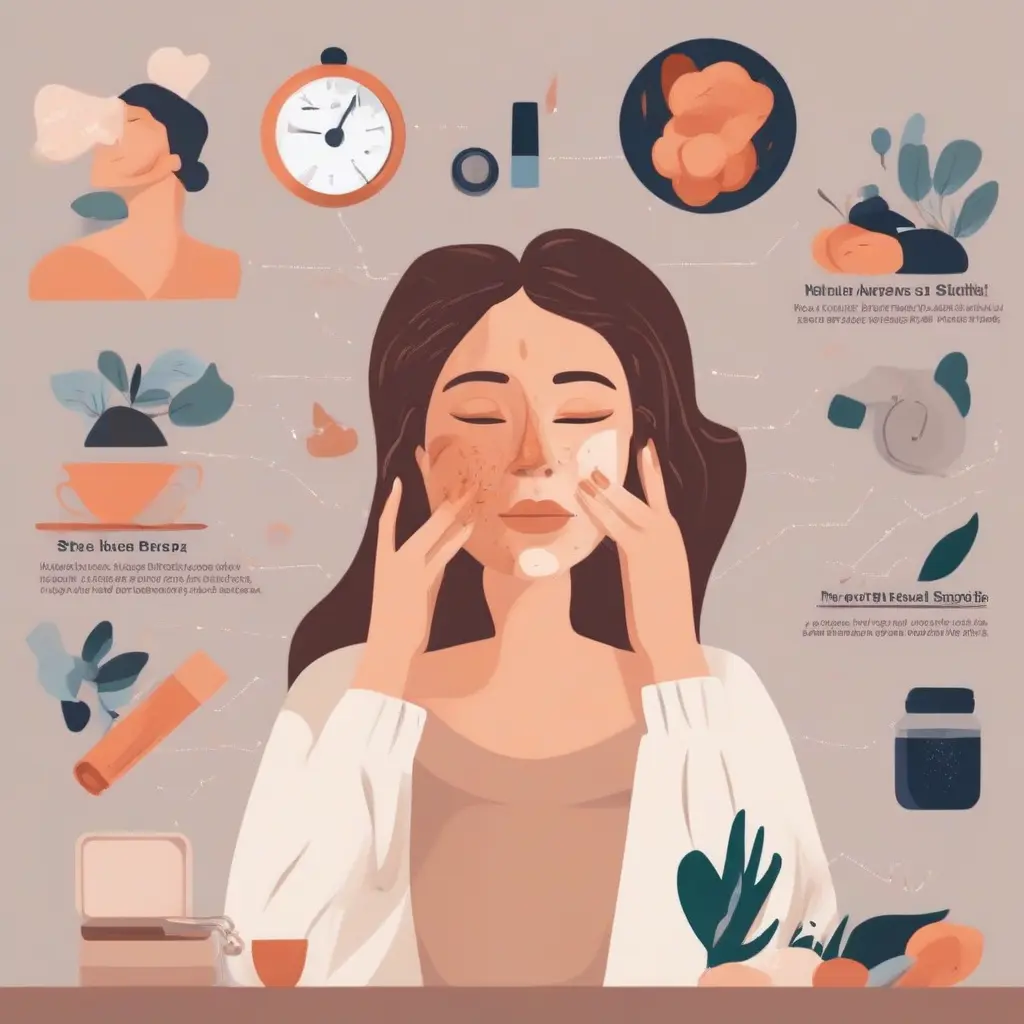
Stress can have a profound impact on your overall well-being, manifesting itself in various ways, including your skin. The relationship between stress and skin problems is intricate, with stress leading to conditions like acne, eczema, and premature aging. A well-thought-out skincare routine is essential in counteracting these effects. By integrating effective daily steps, you can not only manage stress better but also foster healthier skin. Understanding how stress affects your skincare routine and implementing targeted strategies can be transformative for your complexion.
Understanding the Connection Between Stress and Skin Health
Stress triggers a cascade of responses in the body, leading to hormonal fluctuations that can significantly affect skin health. When you’re stressed, your body releases cortisol, a hormone associated with increased oil production in your skin. This excess oil can lead to clogged pores and acne, particularly in individuals with oily or combination skin. Moreover, stress can exacerbate existing skin conditions such as psoriasis or rosacea, making it crucial to recognize the importance of stress management within your daily skincare routine.
Daily Skincare Steps to Combat Stress Effects
Implementing a daily skincare routine tailored to combat the effects of stress is vital for maintaining healthy skin. Start with a gentle cleanser to remove impurities that may accumulate due to stress-related sweating. Follow this with a hydrating toner that balances your skin’s pH. Moisturizing is essential—choose products that contain calming ingredients such as aloe vera or chamomile to soothe stressed skin. Include regular exfoliation and a weekly face mask to rejuvenate and nourish your complexion, addressing issues that arise from stress.
Incorporating Mindfulness into Your Skincare Routine
Mindfulness practices can enhance your skincare routine by promoting relaxation and reducing the impact of stress. Consider setting aside ten minutes each morning and evening to focus fully on your skincare regimen. Engage in deep breathing exercises while applying your products, allowing the act of skincare to become a meditative experience. This not only benefits your skin but also helps in calming your mind, creating a beneficial cycle of reduced stress and improved skin health over time.
The Role of Nutrition in Skin Vitality
What you eat significantly influences your skin’s ability to cope with stress. A diet rich in antioxidants, vitamins, and minerals can bolster your skin’s defenses. Foods high in omega-3 fatty acids, such as salmon and walnuts, help reduce inflammation and maintain skin hydration. Incorporating plenty of fruits and vegetables ensures your body receives essential nutrients that support skin repair and regeneration. Maintaining a balanced diet works synergistically with your skincare routine to combat the adverse effects of stress.
Hydration’s Importance in Stress Management
Staying hydrated is a cornerstone of skin health, particularly when dealing with stress. Water helps to flush out toxins and aids in maintaining skin elasticity. During stressful periods, your body may lose water more rapidly, leading to dryness and dull skin. Aim to drink at least eight glasses of water daily, and consider hydrating foods such as cucumbers and oranges. Proper hydration not only supports your skin’s appearance but enhances your overall mood and well-being.
Sleep’s Impact on Skin Regeneration
Quality sleep is essential for skin regeneration and recovery from stress. During sleep, your body undergoes reparative processes, including the production of collagen and elastin, which are vital for maintaining skin’s firmness. Lack of sleep can lead to dark circles, puffiness, and an overall tired complexion. Establishing a regular sleep schedule, creating a restful environment, and limiting screen time before bed can all contribute to improved sleep quality, thereby benefiting your skin.
Choosing the Right Products for Stress-Affected Skin
Selecting skincare products that cater specifically to the needs of stressed skin is crucial. Look for formulations that contain calming ingredients such as green tea, niacinamide, and hyaluronic acid, which can soothe irritation and enhance hydration. Avoid harsh ingredients, which may exacerbate stress-related skin issues. Choosing clean, non-comedogenic products ensures they support your skin health without adding further stress or irritation.
Establishing a Consistent Skincare Routine
Establishing a consistent skincare routine is vital in combating stress effects on your skin. Consistency helps regulate skin balance, builds resilience against external stressors, and creates a sense of control in your daily life. Set specific times each day for your skincare regimen, treating it as a priority rather than a chore. This consistency not only contributes to better skin health but can also be a calming ritual that helps alleviate stress.
Seeking Professional Help When Needed
Sometimes, stress-related skin issues may require professional intervention. Dermatologists can assess your skin’s condition and recommend tailored treatments, ranging from topical ointments to advanced therapies. Additionally, counseling or therapy can help address underlying stressors that contribute to skin problems. This holistic approach ensures that both your skincare and mental health are adequately supported, leading to improved skin vitality over time.
Conclusion
In conclusion, understanding the connection between stress and skin health is crucial for maintaining a vibrant complexion. By integrating effective daily steps such as mindful skincare, proper nutrition, hydration, and professional guidance, you can mitigate stress’s impact on your skin. A well-rounded approach not only fosters healthier skin but also enhances overall well-being, making it an essential aspect of your daily routine.