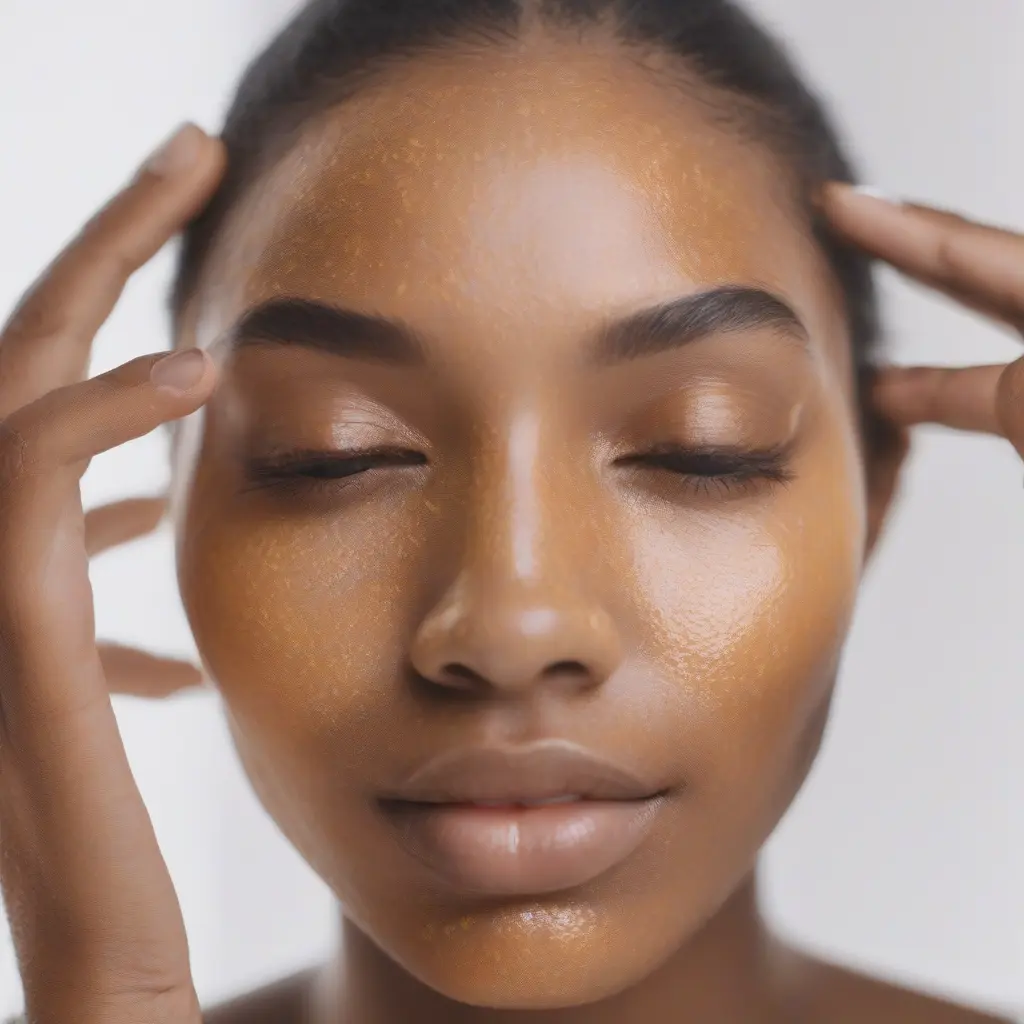
Hyperpigmentation is a common skin condition characterized by dark patches that emerge on the skin due to excess melanin production. Understanding its relationship with different skin types is crucial for effective management. Skin types, ranging from oily to dry or sensitive, significantly affect how hyperpigmentation manifests and responds to treatments. By recognizing how various skin types influence this condition, individuals can make informed choices about skincare products and routines, ensuring better outcomes and healthier skin.
What is Hyperpigmentation?
Hyperpigmentation refers to the darkening of specific areas of the skin due to an increase in melanin, the pigment responsible for skin color. This can occur as a result of various factors, including sun exposure, hormonal changes, and certain medications. While not harmful, these dark patches can cause distress for many individuals, leading them to seek ways to reduce their appearance. Understanding the nature of hyperpigmentation is the first step in managing it effectively, especially in relation to individual skin types.
How Skin Types Affect Hyperpigmentation
Each skin type has unique characteristics that influence how hyperpigmentation develops and responds to treatment. For instance, oily skin may be more prone to conditions like acne, which can leave post-inflammatory marks. Meanwhile, dry skin may show hyperpigmentation more readily due to less moisture and the skin’s natural barrier function being compromised. Recognizing these differences is vital for tailoring effective treatment strategies and ensuring that products used are suitable for one’s specific skin type.
Identifying Your Skin Type
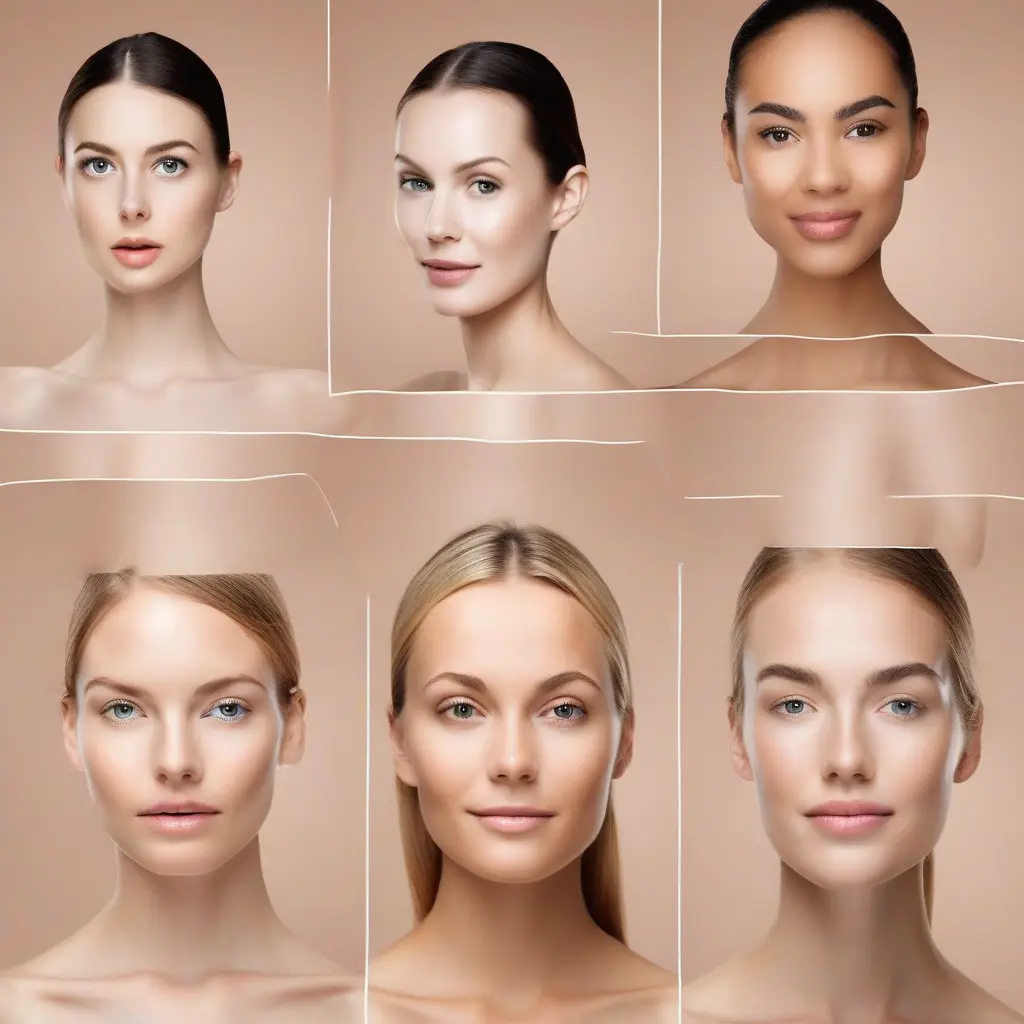
Identifying your skin type is essential for addressing hyperpigmentation effectively. Skin can be classified into five primary types: normal, oily, dry, combination, and sensitive. Various tests, such as the blotting sheet method or observing how your skin behaves throughout the day, can help determine your type. Understanding your skin type allows you to select appropriate products and treatments that target hyperpigmentation while aligning with your skin’s unique needs.
Hyperpigmentation in Oily Skin
Oily skin can present specific challenges when it comes to hyperpigmentation. The excess sebum production often leads to acne breakouts, which can leave dark spots post-healing. Moreover, individuals with oily skin may need to be cautious when choosing products, as those that are too harsh may exacerbate oiliness or trigger new breakouts. Implementing a balanced skincare regime that includes non-comedogenic treatments can help manage hyperpigmentation effectively.
Hyperpigmentation in Dry Skin
Dry skin is often more susceptible to the appearance of hyperpigmentation due to its inability to retain moisture effectively. The lack of hydration can weaken the skin barrier, causing irritation and inflammation that contribute to dark spots. Patients with dry skin should focus on hydration and barrier repair, utilizing humectants and emollients alongside treatments that target pigmentation. Gentle exfoliation can also promote skin renewal, but care must be taken not to irritate the skin further.
Hyperpigmentation in Sensitive Skin
Sensitive skin requires extra caution when addressing hyperpigmentation, as reactions to products can worsen the condition. It tends to react more strongly to environmental factors and harsh ingredients, which can lead to inflammation and increased melanin production. Opting for soothing ingredients like niacinamide, licorice root extract, and azelaic acid can be beneficial. Patch testing new products is essential to prevent adverse reactions and ensure that treatments for hyperpigmentation are well-tolerated.
Acto Factors Leading to Hyperpigmentation
Various factors contribute to the development of hyperpigmentation beyond skin type. Sun exposure is one of the most significant risk factors, as UV rays stimulate melanin production. Hormonal changes, particularly those occurring during pregnancy or with certain contraceptives, can also lead to conditions such as melasma. Additionally, post-inflammatory hyperpigmentation can occur as a result of skin injuries or irritation. Understanding these factors provides insight into prevention and management strategies tailored to different skin types.
Treatment Options for Hyperpigmentation
Treatment options for hyperpigmentation vary depending on skin type and the severity of the condition. Over-the-counter topical treatments, including vitamin C, retinoids, and hydroquinone, can be effective for reducing dark spots. For more persistent cases, dermatological interventions such as chemical peels and laser therapy may be considered. It’s essential to consult a dermatologist to determine the most appropriate treatment tailored to one’s skin type and condition.
Prevention Strategies
Preventing hyperpigmentation involves adopting a proactive skincare routine tailored to your skin type. Regularly applying sunscreen is crucial for all skin types, as it protects against UV rays that can exacerbate pigmentation issues. Additionally, maintaining skin hydration through moisturizers can support the skin barrier and minimize irritation. Consistent use of products with antioxidants can help combat oxidative stress, thereby reducing the likelihood of hyperpigmentation developing over time.
When to Seek Professional Help
While many individuals can manage hyperpigmentation at home, certain situations warrant professional intervention. If hyperpigmentation appears suddenly, grows in size, or is accompanied by other symptoms, it is crucial to consult a healthcare provider. Dermatologists can provide targeted treatment plans tailored to individual skin types and conditions, ensuring that appropriate therapies are employed for optimal results.
Conclusion
Understanding hyperpigmentation and its relation to skin types enables individuals to adopt effective management and treatment strategies. By recognizing the unique characteristics of their skin, people can choose products and approaches that address pigmentation issues while maintaining overall skin health. Continuous education and adaptation are key to achieving an even complexion and boosting skin confidence.