Incorporating face masks into your daily skincare routine can elevate your skin’s health and appearance significantly. With countless types available, it’s essential to choose masks that align with your specific skin type and concerns. This article explores various aspects of integrating face masks, including types, application techniques, and frequency, ensuring optimal results for your skincare journey. By following these guidelines, you can make face masks a beneficial addition to your daily routine, enhancing your overall skincare regimen while addressing particular issues like hydration, brightness, and acne.
Understanding Different Types of Face Masks
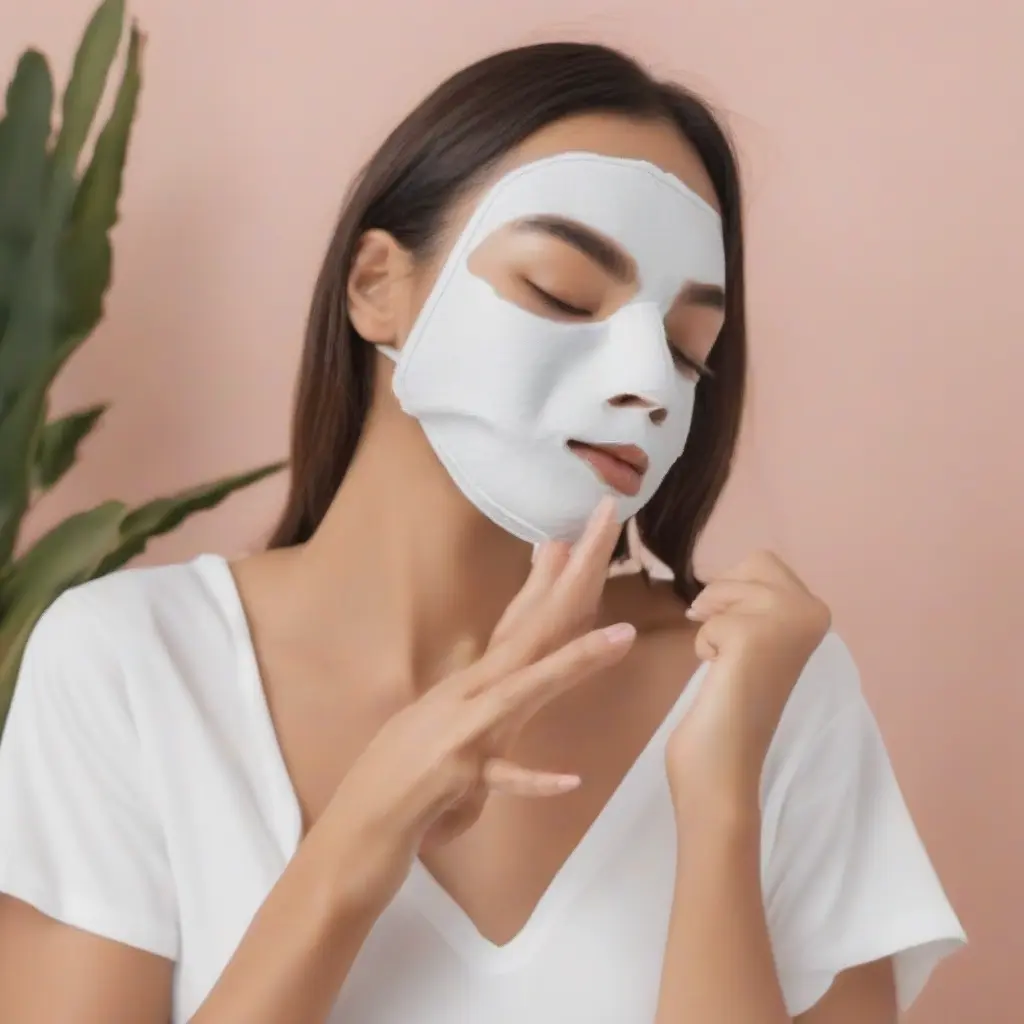
Before incorporating face masks, it’s vital to understand the different types available. Clay masks are great for oily skin, as they absorb excess oil and unclog pores. Gel masks offer hydration and soothing effects, ideal for sensitive or dry skin. Sheet masks provide targeted treatments and convenience, while overnight masks can enhance moisture retention. Knowing which type suits your skin’s needs will help you achieve the desired results and maximize the benefits of incorporating masks into your routine.
Choosing the Right Mask for Your Skin Type
Selecting the right face mask based on your skin type is crucial for effectiveness. For oily or acne-prone skin, opt for masks containing salicylic acid or charcoal to ensure deep cleansing and oil control. If you have dry skin, look for hydrating masks enriched with hyaluronic acid or glycerin to restore moisture. Combination skin can benefit from multifunctional masks that address both oiliness and dryness. Identifying your skin’s unique needs will lead to better outcomes and a more effective skincare routine.
When to Use Face Masks in Your Skincare Routine
Timing is essential when it comes to face masks. Most routines benefit from mask application after cleansing and before applying any serums or moisturizers. This step ensures that your skin is prepared to absorb the mask’s active ingredients effectively. Additionally, consider the time of day; some people prefer morning masks for a refreshing start, while others use them at night to wind down. Aligning mask use with your routine will enhance its effectiveness and contribute to a holistic skincare experience.
Frequency of Face Mask Application
The frequency of mask application should align with your skin’s needs and the specific mask type. For instance, clay masks can typically be used once or twice a week for oily skin, while hydrating masks may be applied more frequently. It’s advisable to start with once a week to assess how your skin reacts before increasing frequency. Pay attention to any signs of irritation, as overly frequent use may cause imbalance. Finding the right balance will ensure your skin remains healthy and radiant.
Enhancing Effectiveness with Proper Application Techniques
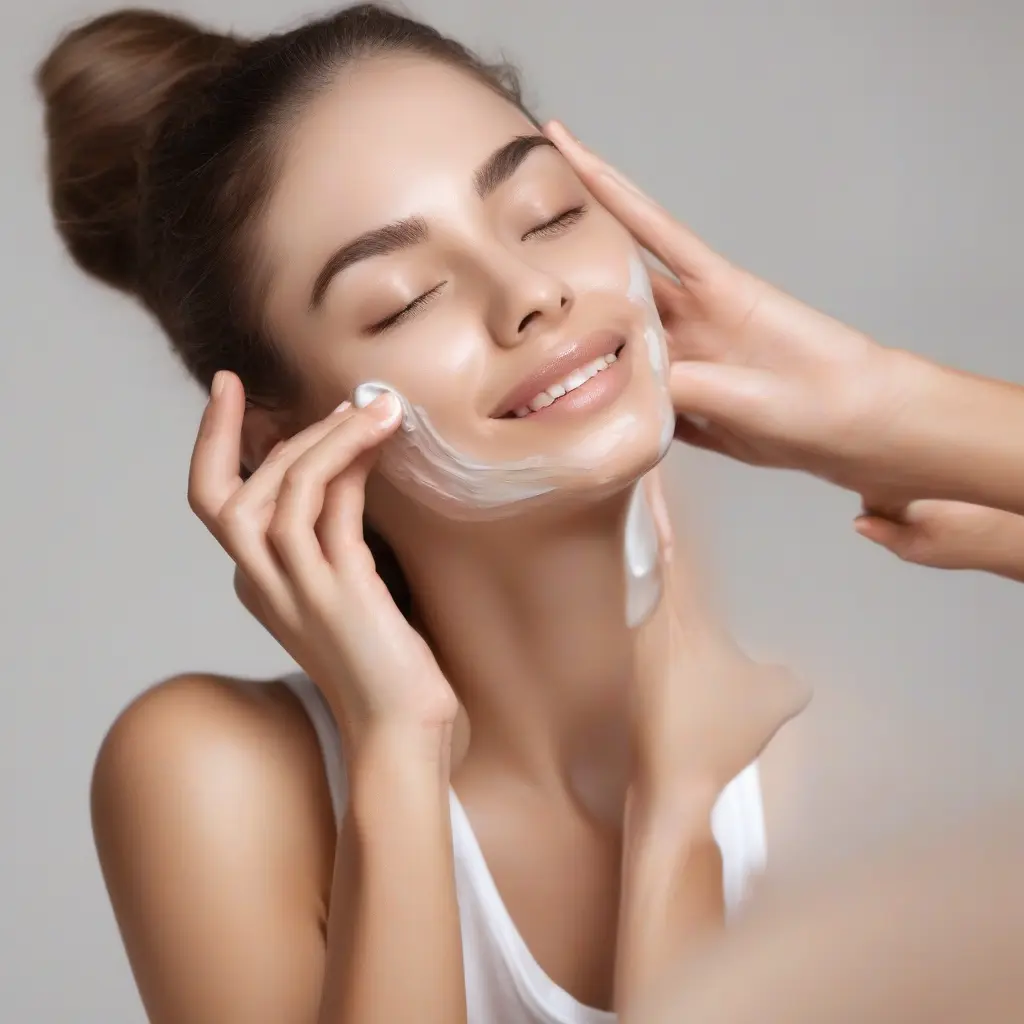
Proper application techniques can significantly boost the effectiveness of your face mask. Begin by cleansing your face to remove any impurities. Apply the mask evenly using clean fingers or an applicator, ensuring even coverage. Follow the instructions specific to your chosen mask, as different formulations may have varied application times. Avoid sensitive areas like your eyes and lips, allowing the mask to sit for the recommended time before rinsing. This careful approach will maximize the mask’s benefits and enhance your overall skincare results.
Layering Face Masks for Customized Skincare
Layering face masks is an innovative approach to address multiple skin concerns simultaneously. For instance, you might apply a clay mask on your oily T-zone to control excess shine while using a hydrating mask on the dry areas of your cheeks. This technique maximizes the benefits of both products without compromising on results. By customizing your mask application, you cater to different skin needs within a single skincare session, enhancing the overall effectiveness of your routine.
Post-Mask Care Essentials
After using a face mask, the immediate post-care routine is equally crucial for maintaining skin health. Rinse the mask off thoroughly with lukewarm water, ensuring no residue lingers. Follow this up with a toner to balance your skin’s pH levels, preparing it for further absorption of serums and moisturizers. Applying a suitable moisturizer will lock in hydration and further enhance the results from the mask. Proper post-mask care is essential for achieving lasting benefits from your skincare routine.
Monitoring Your Skin’s Reaction
Monitoring your skin’s reaction after incorporating face masks is vital. Take note of any immediate changes in texture, hydration levels, or irritation signs. Tracking progress can help you determine if certain masks deliver the expected outcomes. If you experience any adverse reactions, such as redness or itching, it may be necessary to discontinue use and consult a dermatologist. Regular monitoring will ensure that your mask application remains beneficial and tailored to your skin’s evolving needs.
Conclusion
Incorporating face masks into your daily skincare steps can lead to noticeable improvements in skin health and appearance. By understanding different masks, selecting the right types, and adhering to proper application techniques, you can maximize their benefits. Regular monitoring of your skin will help you adjust your routine for optimal results, ensuring that face masks become a valuable part of your skincare regimen. Embrace this helpful addition for enhanced hydration, clarity, and glow, achieving a radiant complexion.