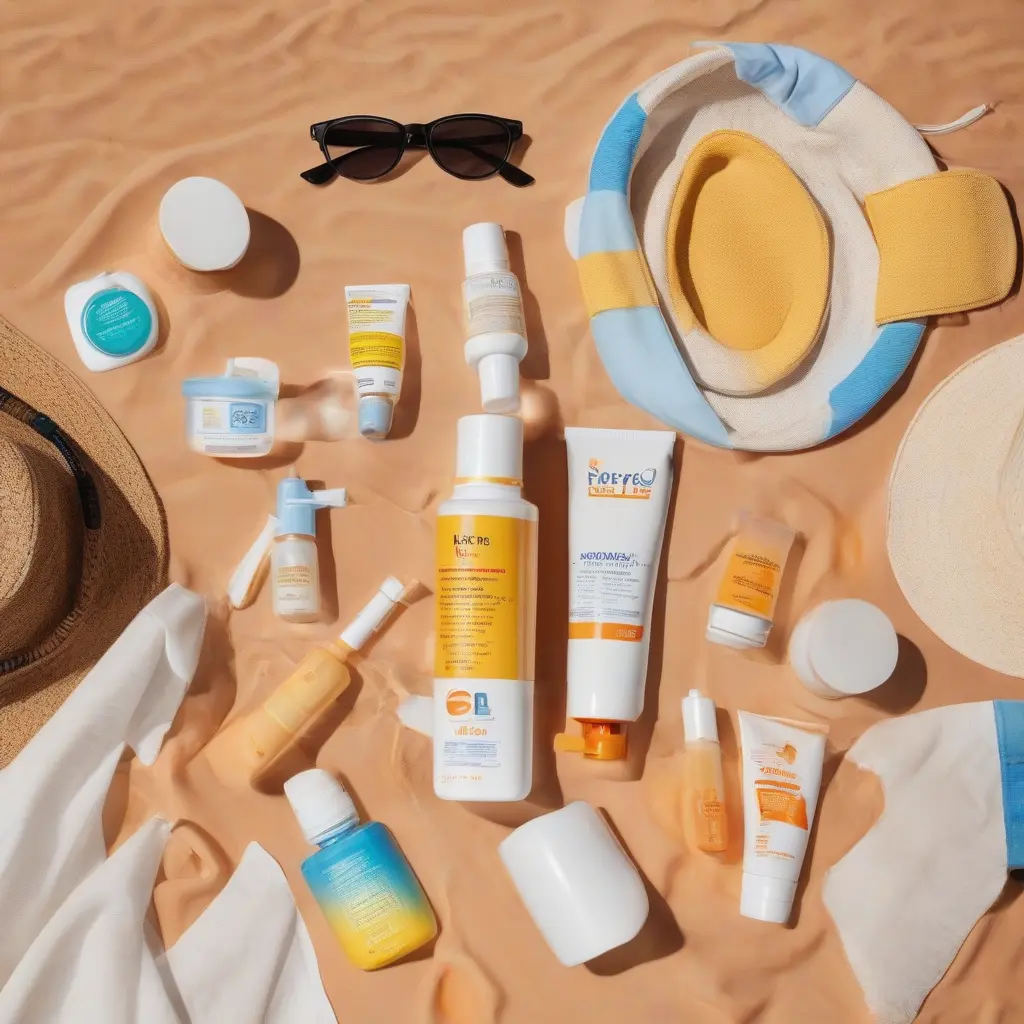
Choosing the right sunscreen is crucial for effective skin protection against harmful UV rays. Each skin type has unique needs, making it essential to select a sunscreen that aligns with your specific condition. Factors such as skin sensitivity, oiliness, and tone can influence which product works best for you. In this guide, we will explore various skin types and provide tailored advice for selecting the most suitable sunscreen. Understanding these distinctions can help you enjoy the sun safely while maintaining the health and appearance of your skin.
Understanding Different Skin Types
Identifying your skin type is the first step in choosing the right sunscreen. The primary categories include normal, oily, dry, combination, and sensitive skin. Normal skin typically shows balance and requires basic hydration. Oily skin tends to produce excess sebum, leading to shine and breakouts. Dry skin lacks moisture and may feel tight or flaky. Combination skin features both oily and dry areas, requiring a balanced approach. Sensitive skin is prone to irritation and redness, necessitating gentle formulations. Knowing your skin type allows you to make more informed decisions when selecting sunscreen.
Sunscreens for Oily Skin
If you have oily skin, consider using a sunscreen with a lightweight, oil-free formula. Gel-based sunscreens are often ideal as they absorb quickly and don’t clog pores. Look for products labeled ‘non-comedogenic’ to ensure they won’t exacerbate breakouts. Ingredients like salicylic acid can additionally help manage oil without causing dryness. It’s beneficial to choose a sunscreen with a matte finish, as it helps reduce shine throughout the day. Broad-spectrum protection with an SPF of at least 30 should be prioritized to keep your skin protected while avoiding excess oil production.
Sunscreens for Dry Skin
For dry skin types, hydration is essential when selecting a sunscreen. Look for formulas that contain moisturizing ingredients such as hyaluronic acid, glycerin, or ceramides to help retain moisture. Cream-based or lotion sunscreens are often more effective in providing the hydration your skin craves. Avoid alcohol-based sunscreens, as these can further strip moisture from your skin. Opt for a broad-spectrum option with an SPF of 30 or higher, and consider applying an additional layer of moisturizer underneath for added hydration, particularly in dry environments.
Sunscreens for Combination Skin
Combination skin requires a balanced approach when selecting sunscreen. Look for a product that caters to both dry and oily areas of your face. A lightweight, moisturizing sunscreen that doesn’t leave a greasy residue can be effective. Gel-cream formulas often work well by providing hydration without excess oil. Ingredients like aloe vera and green tea extract can soothe the skin while offering additional benefits. It’s essential to use a broad-spectrum sunscreen with at least SPF 30 to protect against UV rays while addressing the unique needs of combination skin.
Sunscreens for Sensitive Skin
Sensitive skin necessitates a careful selection of sunscreen to avoid irritation. Mineral-based or physical sunscreens containing zinc oxide or titanium dioxide are generally more suitable as they sit on the skin’s surface and reflect UV rays. Look for products that are fragrance-free, paraben-free, and hypoallergenic to minimize the risk of adverse reactions. Patch-testing new products before widespread application can also help identify any potential irritants. Broad-spectrum protection with a minimum SPF of 30 is necessary to ensure adequate coverage without discomfort.
Water-Resistant vs. Non-Water-Resistant Sunscreens
When selecting a sunscreen, consider whether you need a water-resistant or non-water-resistant formula. Water-resistant sunscreens are designed to maintain their SPF protection for a specified duration while swimming or sweating, typically either 40 or 80 minutes. This is crucial if you plan on spending considerable time outdoors, particularly in water. Non-water-resistant formulations may require more frequent reapplication, especially if you engage in activities that cause perspiration. Whichever option you choose, it’s essential to reapply sunscreen every two hours for maximum effectiveness.
Understanding SPF Ratings
Sun Protection Factor (SPF) indicates the level of protection a sunscreen offers against UVB rays. An SPF rating of 30 blocks approximately 97% of UVB radiation, while SPF 50 blocks about 98%. High SPF ratings may lead users to believe they can spend more time in the sun without reapplying, which is a misconception. Regardless of the SPF, reapplication is essential every two hours, or immediately after swimming or sweating. For everyday use, an SPF of at least 30 is generally recommended, particularly for extended outdoor activities.
Ingredients to Look For and Avoid
When choosing sunscreen, it’s important to examine the ingredient list. Look for beneficial elements like antioxidants, which help combat skin aging, and moisturizing agents that prevent dryness. Ingredients such as avobenzone, octisalate, and octocrylene provide effective UV protection. Conversely, avoid sunscreens containing harsh preservatives, alcohol, or fragrances, as these can irritate the skin. Be cautious with chemical sunscreens, particularly if you have sensitive skin, as they may cause allergic reactions. Opting for mineral sunscreens may provide a gentler alternative for those with more reactive skin.
Choosing Sunscreen for Daily Use
For daily use, consider a lightweight, broad-spectrum sunscreen that pairs well with your skincare routine. Many moisturizers now incorporate SPF, offering dual benefits for busy individuals. Ensure your chosen sunscreen is compatible with makeup if you wear it, providing a smooth base without causing pilling or irritation. Additionally, selecting a product with a comfortable finish—whether matte or dewy—can enhance your overall experience. Daily sunscreen application is crucial, even on cloudy days, as UV rays can still penetrate through clouds and shield your skin against premature aging and damage.
The Importance of Patch Testing
Patch testing is a vital step when introducing a new sunscreen, especially for those with sensitive skin. Apply a small amount of the product to an inconspicuous area, such as behind the ear or on the inner arm, and wait 24 to 48 hours to observe any reactions. This simple method can help identify incompatible ingredients that could cause irritation or allergies. If any redness, itching, or discomfort occurs, it’s best to choose a different formula. Patch testing can save you from widespread irritation and ensure a more comfortable sunscreen experience.
Conclusion
Choosing the right sunscreen is fundamental to protecting your skin while addressing its unique requirements. By understanding your skin type and the various formulations available, you can make informed decisions that enhance your sun safety. Consider factors such as SPF, water resistance, and compatible ingredients to ensure optimal protection. Always remember to reapply regularly for the best results. With the right approach, you can enjoy outdoor activities without compromising skin health.