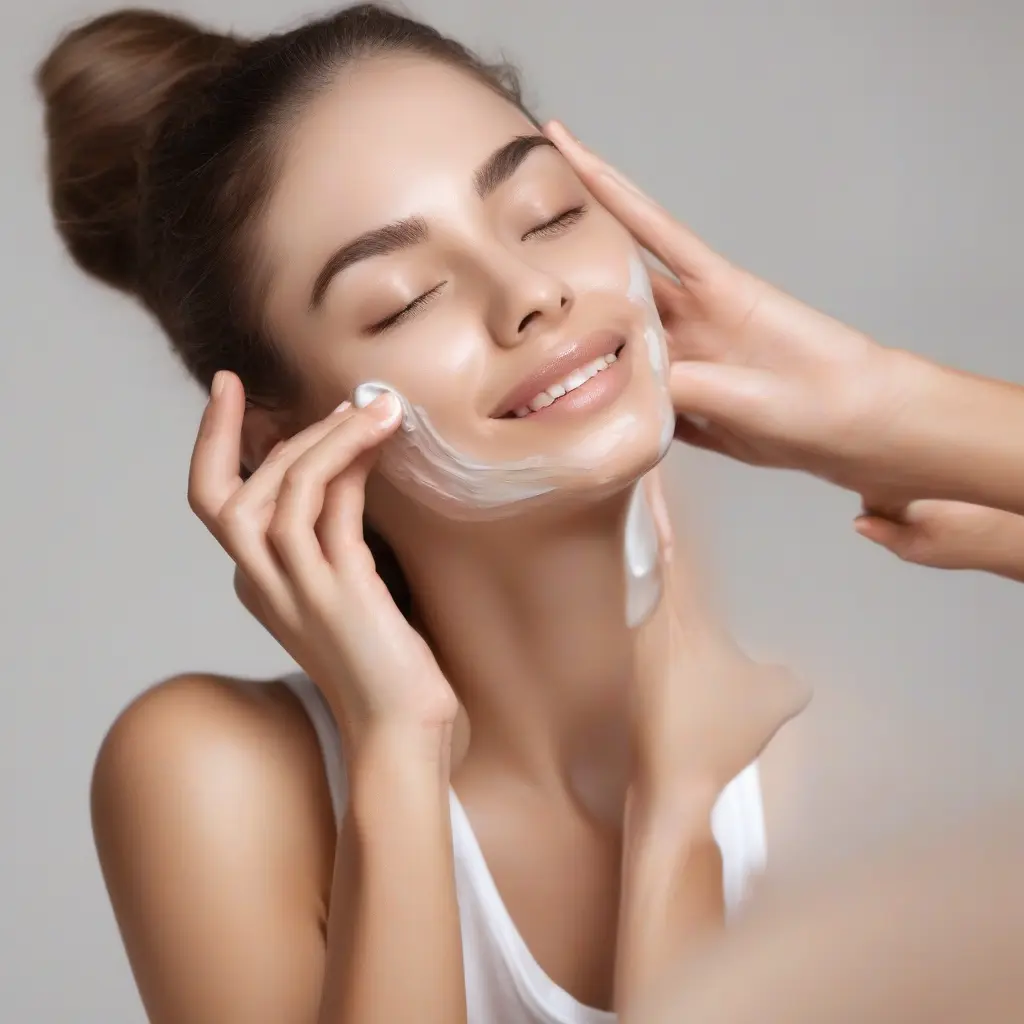
Sleep is an essential element often overlooked in skincare routines, yet it plays a pivotal role in achieving healthy and radiant skin. During sleep, your body undergoes various regenerative processes, influencing skin health. Understanding how sleep interconnects with skincare can help you enhance your nightly routine, leading to better results. In this article, we’ll explore the significance of adequate sleep, its effects on skin function, and tips for combining proper rest with effective skincare practices.
The Science of Sleep and Skin Health
During sleep, the body initiates a repair and recovery process that is crucial for skin health. Cell turnover significantly increases, aiding in the removal of dead skin cells. This process promotes healthy skin regeneration, making your complexion look fresher and more vibrant. Additionally, sleep lowers stress hormone levels, which can help reduce skin disorders, such as acne and eczema. Understanding these scientific correlations emphasizes the value of prioritizing both sleep and skincare in your nightly routine.
The Impact of Sleep Deprivation on Skin
Lack of sleep can have noticeable adverse effects on your skin’s appearance and health. Research shows that sleep-deprived individuals tend to exhibit signs of aging more rapidly, such as fine lines and dullness. Furthermore, inadequate rest can lead to increased levels of stress hormones like cortisol, which can exacerbate skin conditions. Recognizing these effects reinforces the significance of ensuring a restful night’s sleep to maintain optimal skin condition.
Skincare Products to Use Before Bed
Incorporating the right skincare products into your nightly routine can significantly enhance the benefits of your sleep. Look for products containing ingredients like retinol, hyaluronic acid, and peptides, as these components work to rejuvenate the skin overnight. A nourishing moisturizer can also lock in hydration, ensuring skin remains plump and replenished by morning. By aligning your product choices with your sleep routine, you can maximize skin healing and recovery during the night.
Creating an Optimal Sleep Environment
To promote quality sleep, it is essential to create an optimal sleep environment. Factors such as room temperature, lighting, and noise levels can significantly impact sleep quality. Aim for a cool, dark room with minimal noise disturbances. Investing in blackout curtains and sound machines can help create a serene atmosphere conducive to deep sleep. This environment sets the stage for your body to focus on recovery, thus enhancing your skin’s healing process.
The Role of Sleep Hygiene in Skincare
Maintaining good sleep hygiene is crucial for achieving restorative sleep that benefits your skin. Establish a consistent sleep schedule by going to bed and waking up at the same time every day. This helps regulate your body’s internal clock. Additionally, limiting screen time before bed allows your body to wind down and prepares it for rest. Practicing these habits not only improves sleep quality but also complements your skincare routine effectively.
Moisturization: The Key to Repair
Moisturizing before bed is a fundamental aspect of any skincare routine aimed at improving skin health. While you sleep, your skin loses moisture, so applying a good moisturizer helps replenish hydration levels. Look for thicker creams or overnight masks, as they can provide a barrier to prevent moisture loss throughout the night. This extra hydration allows your skin to recover more effectively, giving it a fresher appearance by morning.
Foods to Promote Better Sleep and Skin Health
Diet plays a significant role in both your sleep quality and overall skin health. Consuming sleep-promoting foods rich in magnesium, potassium, and calcium can help you unwind before bedtime. Foods such as bananas, almonds, and chamomile tea can aid relaxation and improve sleep quality. Furthermore, a nutrient-rich diet filled with antioxidants—found in fruits and vegetables—supports skin repair and rejuvenation during sleep. Ensuring you eat the right foods in the evening can thus affect both your sleep and skincare routine.
The Connection Between Stress, Sleep, and Skin
Stress significantly impacts both sleep quality and skin health, leading to a cycle that can be harmful. Elevated stress levels can result in insomnia, which then exacerbates skin issues such as acne and inflammation. Adopting stress management techniques, such as meditation or yoga, can enhance both your sleep and skin condition. Cultivating this balance allows for holistic improvements to both sleep patterns and skincare routines.
Consistency is Essential for Success
Achieving healthy skin through sleep and skincare requires consistency in both practices. Regularly following a skincare routine before bed, coupled with a commitment to good sleep hygiene, creates a beneficial cycle. This consistent effort allows your skin to reap the full rewards of restorative sleep, enhancing the effectiveness of your product choices. By prioritizing both aspects, you can enjoy the cumulative benefits of improved skin health and overall well-being.
Conclusion
Integrating sleep into your skincare routine is essential for achieving optimal skin health. Understanding the connection between restful sleep and skin rejuvenation will help you establish better habits. By focusing on skincare products, maintaining a healthy sleep environment, and practicing good sleep hygiene, you can unlock the full potential of both realms in your nightly routine.