Exfoliation is a vital step in any skincare routine, yet often overlooked. It involves the removal of dead skin cells to reveal a fresher complexion beneath. By incorporating exfoliation into your daily skincare steps, you can enhance product absorption, promote cellular turnover, and achieve a more radiant skin appearance. Moreover, proper exfoliation helps prevent clogged pores, reducing the chances of acne. This article explores the various benefits of exfoliation, how to choose the right exfoliant, and tips for adding this essential step to your skincare regimen.
What is Exfoliation?
Exfoliation is the process of removing dead skin cells from the surface of your skin. This can be achieved through physical methods, such as scrubs and brushes, or chemical methods, like acids and enzymes. Each method has its own benefits and drawbacks, making it essential to choose one based on your skin type and concerns. By regularly exfoliating, you not only reveal healthier skin but also encourage the growth of new cells, contributing to a more youthful appearance.
Benefits of Exfoliation
The primary benefit of exfoliation is the promotion of cellular turnover, which helps to refresh and rejuvenate your skin. It also enhances the effectiveness of your other skincare products by allowing them to penetrate deeper into the skin, maximizing their potential benefits. Additionally, exfoliation helps refine skin texture, reducing the appearance of fine lines and uneven skin tone. With a consistent exfoliation routine, you can expect smoother, brighter skin and a decrease in breakouts caused by clogged pores.
Types of Exfoliants
Exfoliants come in two main categories: physical and chemical. Physical exfoliants include scrubs and brushes that manually slough off dead skin. These can be effective but may irritate sensitive skin if used too harshly. Chemical exfoliants, like alpha-hydroxy acids (AHAs) and beta-hydroxy acids (BHAs), dissolve the bonds that hold dead skin cells together, promoting a gentler exfoliation process. Choosing the right type of exfoliant depends on your skin type, condition, and preferences.
Frequency of Exfoliation
How often you should exfoliate depends on your skin type and the product you choose. For many individuals, two to three times a week is sufficient. However, those with sensitive or dry skin might want to limit exfoliation to once a week to avoid irritation. On the other hand, individuals with oily or acne-prone skin may benefit from more frequent exfoliation. Always listen to your skin and adjust your routine accordingly, taking care not to over-exfoliate, which can lead to redness and irritation.
Choosing the Right Exfoliant for Your Skin Type
Selecting the appropriate exfoliant for your skin type is crucial for achieving the desired results. For oily or acne-prone skin, BHAs like salicylic acid can effectively penetrate pores and reduce breakouts. For dry or sensitive skin, AHAs such as glycolic acid are often gentler and can provide moisture while exfoliating. Combination skin may benefit from a balanced approach, using both types of exfoliants in moderation. Conduct a patch test first to ensure compatibility and minimize adverse reactions.
Incorporating Exfoliation into Your Skincare Routine
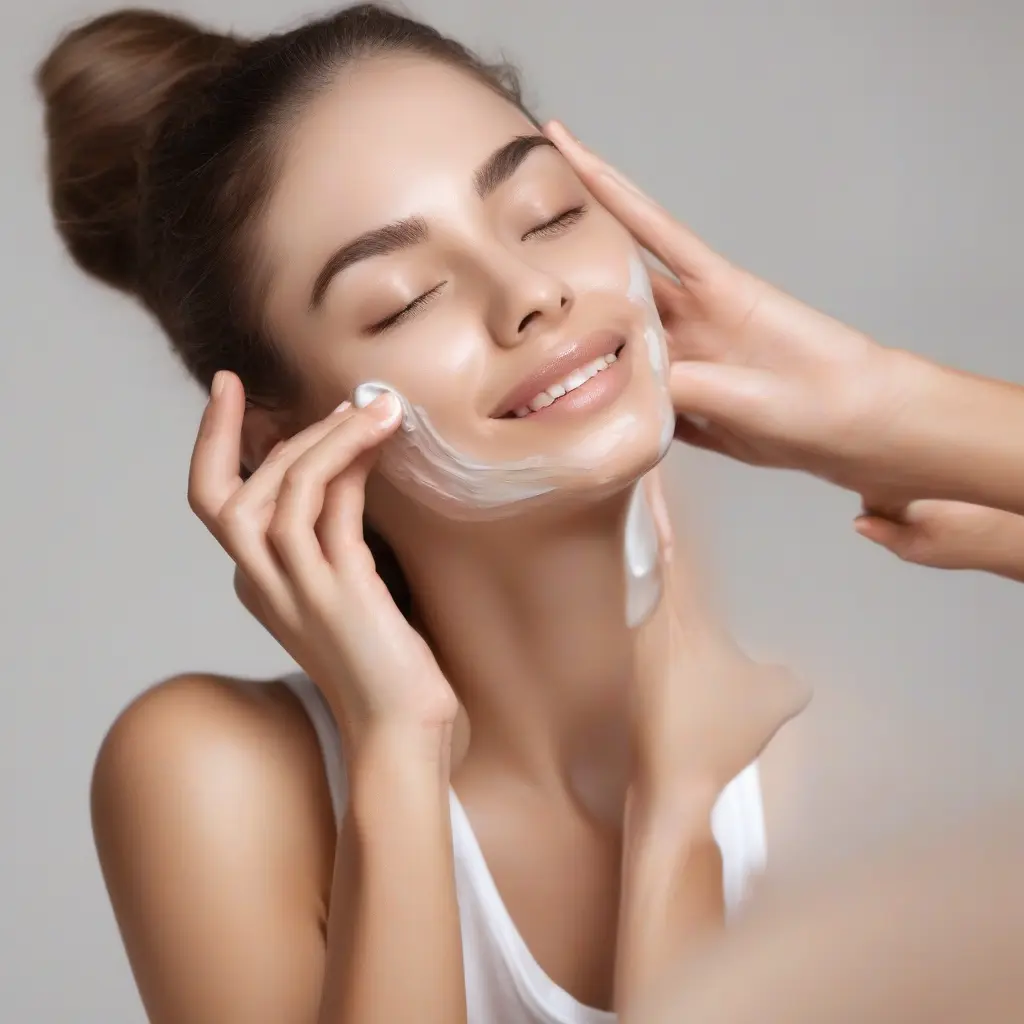
To effectively incorporate exfoliation into your skincare routine, decide whether you prefer physical or chemical methods. Cleanse your skin thoroughly before exfoliating to remove makeup and impurities. Apply your chosen exfoliant smoothly, as directed, whether it’s as a scrub, mask, or serum. Follow up with a hydrating toner and moisturizer to replenish moisture levels after exfoliation. Avoid combining multiple exfoliating products to prevent irritation and maintain a healthy skin barrier.
Common Mistakes to Avoid
Many individuals make common mistakes when it comes to exfoliation that can hinder its effectiveness or harm the skin. Over-exfoliating is one of the most prevalent issues, which can lead to redness, irritation, and compromised skin barriers. Additionally, using harsh scrubs that contain large particles can cause micro-tears in the skin. Always ensure that the exfoliant aligns with your skin’s needs and never skip moisturizing post-exfoliation. Following these guidelines will help you achieve optimal results while protecting your skin.
Exfoliation for Different Skin Conditions
Individuals with specific skin conditions, like rosacea or eczema, should approach exfoliation with caution. It’s often recommended to consult a dermatologist for tailored advice. Generally, people with these conditions may benefit from very gentle exfoliation techniques, avoiding physical exfoliants. Instead, chemical exfoliants, particularly those formulated with soothing ingredients, may be a better choice. Understanding your skin condition and adapting your exfoliation routine accordingly can significantly affect skin health and comfort.
The Role of Moisturization Post-Exfoliation
After exfoliating, your skin is more receptive to products, making post-exfoliation moisturization essential. By applying a quality moisturizer, you can help restore hydration and support skin barrier function. Ingredients like hyaluronic acid, glycerin, and ceramides are effective for maintaining moisture levels and enhancing skin texture. Skipping moisturization after exfoliation can lead to further dryness and irritation, undermining the benefits of your exfoliation routine.
Conclusion
Exfoliation plays a crucial role in maintaining healthy, radiant skin as part of your daily skincare steps. By understanding the various types of exfoliants, their benefits, and the appropriate frequency of use, you can enhance your skincare routine effectively. Always prioritize your skin’s unique needs and avoid common mistakes to achieve the best results. By following these guidelines, you can cultivate vibrant skin that reflects your overall health and well-being.