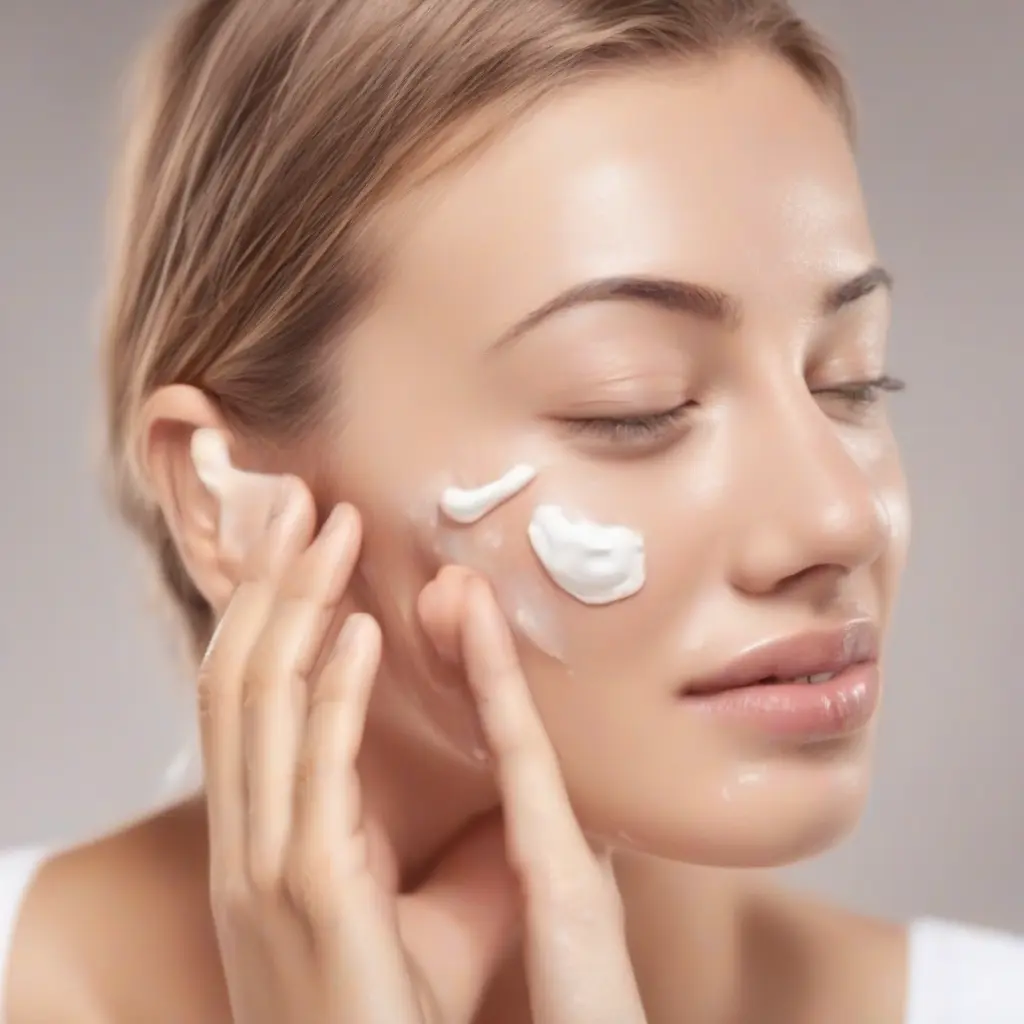
Managing oily skin can be a challenge, but following the right daily skincare steps can make a significant difference. An effective routine helps control excess oil, minimize breakouts, and maintain a healthy complexion. With the right products and practices, it’s possible to achieve balance without over-drying the skin. In this guide, we will explore essential daily skincare steps specifically designed for oily skin types, ensuring that each step caters to the unique needs of oily skin while enhancing your natural radiance.
Understanding Oily Skin
Oily skin is characterized by an overproduction of sebum, which can result in shine, enlarged pores, and a propensity for acne. This skin type is often dynamic, affected by factors such as hormones, climate, and lifestyle. Understanding these characteristics is essential to tailor a skincare routine that effectively manages oil levels. Knowing how your skin behaves can guide you in selecting the right products and implementing techniques that help maintain a balanced glow instead of a greasy sheen.
Cleansing: The Foundation of Skincare
Cleansing is the cornerstone of any effective skincare routine, especially for oily skin. It removes excess oil, dirt, and impurities that can clog pores and lead to acne breakouts. Look for a gentle, oil-free cleanser that contains salicylic acid or tea tree oil to help control oil without stripping the skin of moisture. Cleansing twice a day, in the morning and evening, ensures that the skin remains clear and fresh, setting a solid base for applying other skincare products.
Toning: Balancing the Skin
Toning is a crucial step that many may overlook, but it plays an important role in balancing oily skin. A good toner can help to tighten pores, remove residual impurities, and restore the skin’s pH balance. Choose an alcohol-free toner with ingredients like witch hazel or aloe vera, as these natural ingredients can minimize oiliness without causing irritation. Applying toner after cleansing helps in prepping the skin for better absorption of subsequent products, enhancing the overall efficacy of your routine.
Moisturizing: Don’t Skip This Step
Moisturizing is vital even for oily skin types. It helps maintain skin hydration and prevent the overproduction of oil that often occurs when the skin feels stripped. Opt for lightweight, oil-free moisturizers or gel-based formulas that hydrate the skin without adding excess oil. Ingredients such as hyaluronic acid or glycerin are excellent choices, as they attract moisture while still allowing the skin to breathe. Regularly moisturizing can lead to a more balanced complexion and less visible shine throughout the day.
Exfoliation: Regular, But Not Overdone
Exfoliating helps to remove dead skin cells, preventing clogged pores and promoting cell turnover. However, it is crucial to strike the right balance to avoid irritation. For oily skin, exfoliating one to two times a week using chemical exfoliants like glycolic acid or salicylic acid can yield significant benefits. These ingredients help to clear away excess oil while gently sloughing off dead skin, leaving the complexion brighter and less prone to breakouts. Be mindful not to over-exfoliate, as this can strip the skin and prompt increased oil production.
Targeted Treatments: Addressing Specific Concerns
Incorporating targeted treatments into your skincare routine can be beneficial for addressing specific concerns such as acne or enlarged pores. Products containing benzoyl peroxide or sulfur can be effective in treating breakouts, while niacinamide can help minimize pore appearance and regulate sebum production. Apply these treatments directly to affected areas after cleansing and toning, but be cautious to avoid harsh products that could lead to irritation. Knowing when and how to use targeted treatments can significantly improve the overall health of oily skin.
Sun Protection: Essential for All Skin Types
Sun protection is crucial, regardless of skin type, and oily skin is no exception. Sunscreen helps to protect against UV damage, which can worsen oily skin conditions and lead to premature aging. Choose a broad-spectrum sunscreen that is labeled as oil-free or non-comedogenic to ensure it doesn’t clog your pores. A lightweight gel formula is often best for oily skin types, providing essential protection without adding additional shine. Apply sunscreen daily, even when it is cloudy, to keep your skin safe and healthy.
Lifestyle Factors: Broader Influences on Skin Health
Lifestyle plays a critical role in the health of oily skin. Factors such as diet, hydration, stress, and sleep all contribute to skin conditions. Consuming a balanced diet rich in antioxidants, staying hydrated, and managing stress levels can improve skin health. Additionally, ensure you are getting adequate sleep each night, as this allows your skin to repair and rejuvenate. Small lifestyle changes can make a significant difference, promoting a clearer and healthier complexion alongside your daily skincare routine.
Understanding Ingredients: What to Look For
Selecting the right products for oily skin involves understanding the ingredients they contain. Look for products labeled as oil-free, non-comedogenic, and suitable for oily skin types. Key ingredients include salicylic acid, which helps to unclog pores, and niacinamide, which regulates sebum production. Additionally, natural extracts like green tea and witch hazel can be beneficial. Being informed about what ingredients to include and avoid allows for more effective product selection and targeted skincare practices.
Common Mistakes to Avoid with Oily Skin
There are common mistakes that individuals with oily skin often make, which can exacerbate the issues they experience. Over-cleansing, using harsh products, and skipping moisturizer are among the most prevalent. While it might seem logical to cleanse more often when dealing with oil, over-cleansing can lead to irritation and increased oil production. Additionally, using drying products might strip the skin of necessary moisture, leading to a vicious cycle of oiliness. Being aware of these pitfalls can help maintain a balanced and clear complexion.
Conclusion
Incorporating these essential daily skincare steps can lead to healthier, more balanced skin for those with oily complexions. By understanding the unique needs of oily skin, individuals can create a routine that effectively manages oil production while preventing breakouts. With consistency and the right products, it is possible to achieve a radiant, smooth complexion and enhance overall skin health. Focus on commitment to both product application and lifestyle habits to see the best results.